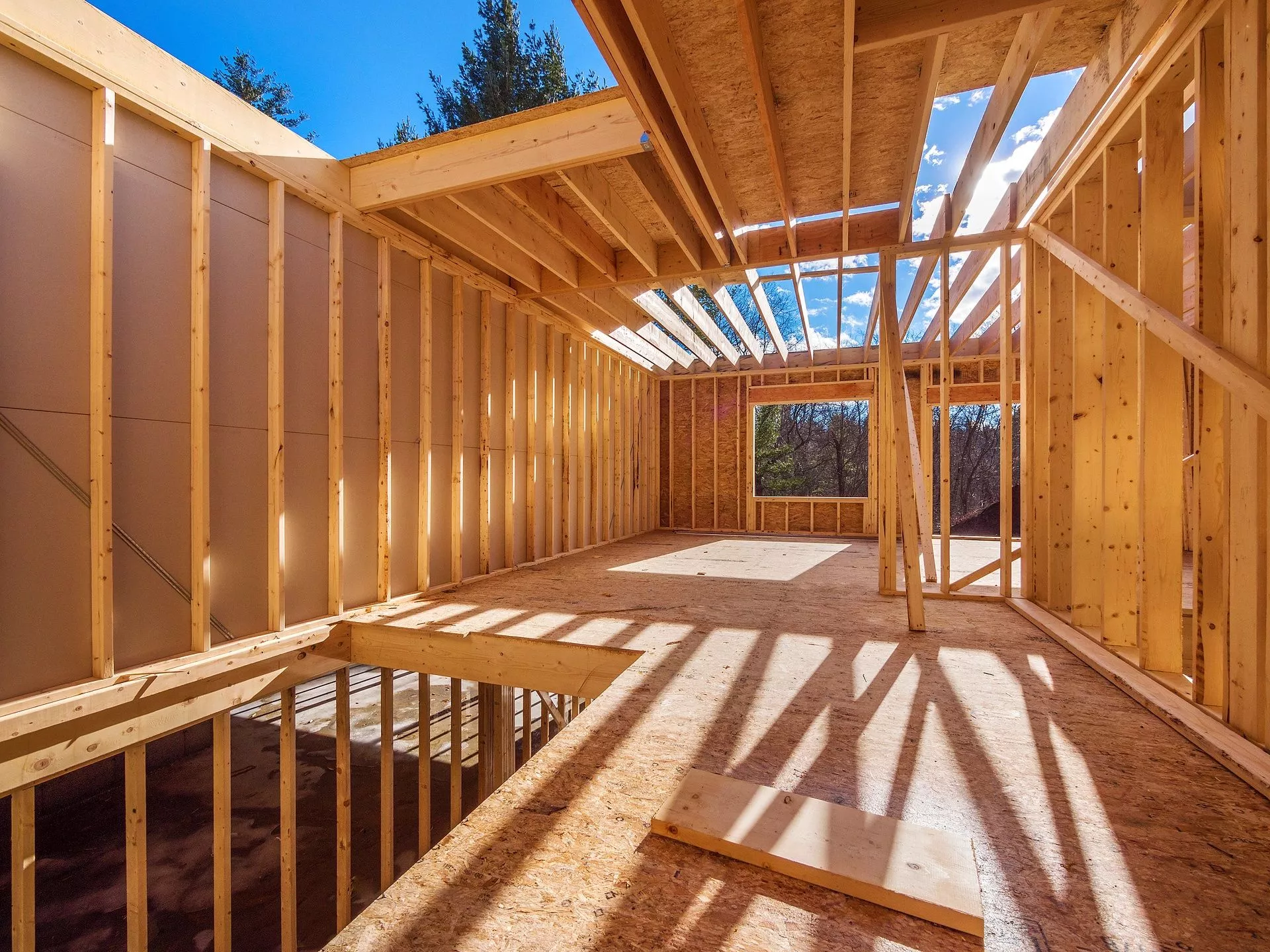
If you're building or remodeling in Los Angeles, you'll hit a checkpoint you can't skip: the framing inspection. This is the moment a city inspector walks to your job site and decides if the skeleton of your building is safe enough to move forward. Get it wrong, and you're tearing out drywall; you haven't even hung it yet. Get it right, and your project keeps moving on schedule.
Most homeowners have never seen a framing inspection happen. They just hear their contractor say, "we passed" or "we've got some corrections." This guide walks you through exactly what happens, what inspectors look for, and why working with an experienced framing contractor makes this whole process a non-event instead of a stressful one.
What Is a Framing Inspection?
A framing inspection is a mandatory check by your local building department. It happens after your rough framing, plumbing, electrical, and HVAC rough ins are done, but before you close the walls with insulation and drywall.
Think of it as the last chance for anyone to see inside the walls before they're sealed forever. Once drywall goes up, the only way to check the framing again is to cut it open.
This inspection matters more than most people realize. It's not formal. It's the point where the city confirms your home can actually hold up the roof, resist an earthquake, and meet the building codes that keep people safe.

When Does the Framing Inspection Happen?
The inspection is scheduled after these stages are complete:
All structural framing (walls, roof, floors) is installed
Plumbing rough-in is finished
Electrical rough-in is finished
HVAC ductwork is in place
Any required fire blocking and shear walls are installed
Everything must be visible. No drywall, no insulation, nothing covering the studs or connections. Inspectors need to see the bones of the building with their own eyes.
Step-by-Step: What Happens During the Inspection
Step 1: The Inspector Reviews the Approved Plans
Before walking around the site, the inspector pulls up the stamped, approved plans for your project. They compare what's on paper to what's actually built. Any changes made on-site without approval will raise a flag right away.
Step 2: Walking the Structure
The inspector walks room by room, floor by floor. They're checking wall framing, floor joists, roof rafters or trusses, and any structural beams. They're also looking at how everything connects.
Suggested image: Wide shot of a two-story residential frame mid-inspection, showing exposed studs and joists
Step 3: Checking Connections and Hardware
This is where a lot of projects get flagged. Inspectors check:
Nailing patterns on shear walls
Metal connectors, hurricane ties, and hold-downs
Post-to-beam and beam-to-foundation connections
Anchor bolts connecting the frame to the foundation
These connections are what keeps a building standing during an earthquake. In Los Angeles, this part of the inspection gets extra attention because of seismic code requirements.
Step 4: Measuring and Spacing Checks
The inspector checks stud spacing, joist spacing, and header sizes against the approved plans. They'll also check window and door headers to make sure they're sized correctly to carry the load above them.
Step 5: Fire Blocking and Draft Stopping
Fire blocking is solid wood or material placed inside wall cavities to slow down fire and smoke from spreading between floors. Inspectors check that these blocks are installed at the right points, especially at floor levels and stair stringers.
Step 6: Documentation and Corrections
After the walkthrough, the inspector either approves the framing or issues a correction notice. A correction notice lists specific items that need to be fixed before the project can move forward. Once corrections are made, the inspector comes back for a re-inspection.
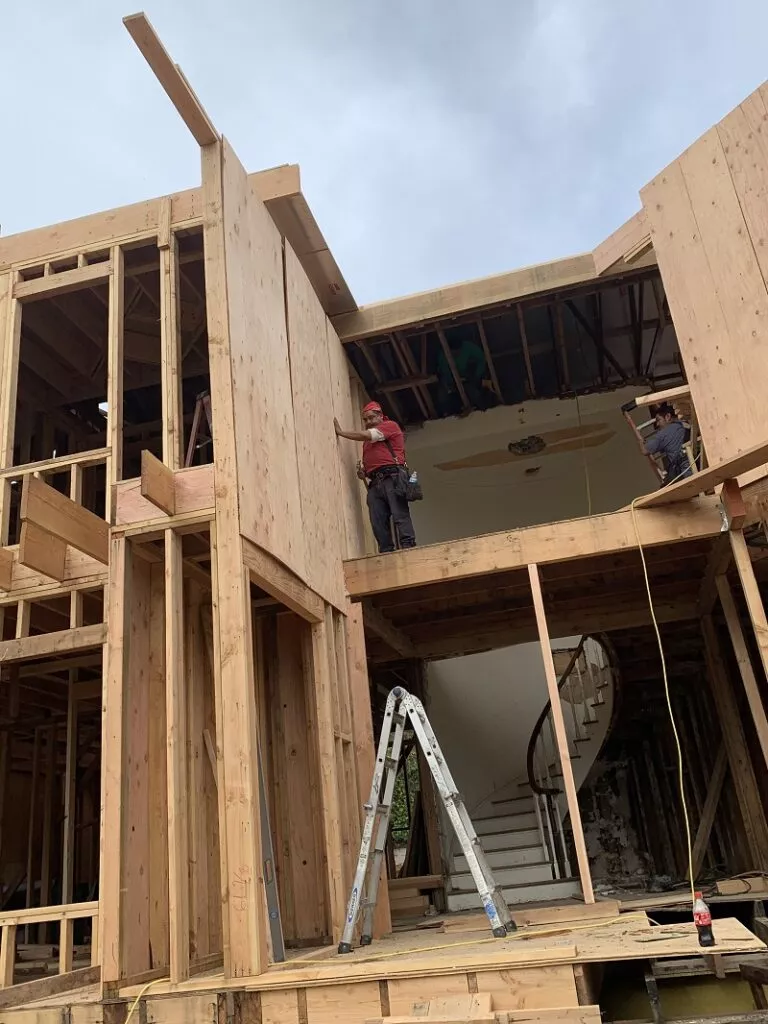
What Inspectors Are Really Checking For
Beyond the walkthrough steps, inspectors are making sure the structure meets three basic goals:
Structural Integrity
Can this frame carry the weight it's designed for? This includes dead load (the weight of the building materials) and live load (people, furniture, snow if applicable).
Life Safety
Are there enough exits? Is fire blocking in place? Are stairs and railings framed to code? Life safety items get zero tolerance for shortcuts.
Code Compliance
Every city has adopted a version of the California Building Code, with local amendments. Los Angeles has additional seismic requirements because of our earthquake risk. The inspector is checking your frame against these exact standards, not general best practices.
Common Framing Failures That Trigger Corrections
Here are the issues that come up most often during framing inspections:
Missing or Incorrect Hardware
A missing hurricane tie or hold-down might seem small, but it's one of the most common reasons for a correction. These pieces of hardware are calculated specifically for your structure's seismic design.
Incorrect Nailing Patterns
Shear walls require specific nail spacing and nail size. Too few nails, wrong spacing, or the wrong nail gun setting can all cause a wall to fail its shear rating.
Undersized Headers
If a header over a window or door opening is too small for the load above it, the inspector will catch it. This usually means the wrong lumber size was used, or the span was too wide for the header specified.
Blocking and Bridging Left Out
Floor joists often need blocking between them to prevent twisting. Skipping this is a common shortcut on rushed jobs.
Deviation from Approved Plans
Sometimes a wall gets moved a few inches, or a window opening gets resized during construction. Even small changes need approval before framing continues. Unapproved changes are an easy flag for any inspector.
Suggested image: Before/after photo showing a correction — for example, a properly nailed shear wall panel
How a Professional Framing Contractor Prepares for Inspection
Experienced crews don't wait for the inspector to find problems. They run their own internal check first. Here's what that usually looks like:
Pre-inspection walkthrough: The site supervisor walks the frame against the approved plans before calling for inspection.
Hardware checklist: Every connector, tie, and anchor bolt gets verified against the structural plan sheet.
Nailing schedule review: Shear wall nailing gets checked against the nailing schedule on the plans, not just done "by feel."
Photo documentation: Many contractors photograph key connections and blocking before it's covered, in case questions come up later.
Clear access: The crew makes sure the inspector can actually see and reach every part of the structure, including attics and crawl spaces.
This is one of the biggest differences between hiring a general handyman crew and a licensed residential framing contractor. A crew that frames buildings every week knows exactly what an inspector is going to look for, because they've been through it hundreds of times.
This preparation matters just as much on commercial jobs. A commercial construction contractor working on a multi-unit building or retail space deals with more complex structural requirements, and a failed inspection can delay an entire project timeline by weeks.
Why This Matters for Homeowners
You might be thinking: I'm not a contractor, why do I need to know this? A few reasons.
First, it helps you ask better questions. If your contractor says "we're getting ready for framing inspection," you now know what that means and what should be checked before the inspector arrives.
Second, it helps you spot red flags early. If a contractor seems unfamiliar with local code requirements or rushes past this stage, that's worth noticing.
Third, it protects your investment. A frame that passes inspection the first time, with no corrections, usually means the crew building your home understood the plans and executed them correctly. That's the foundation — literally — for everything else in your build.
Planning a new build or remodel in LA? Talk to a licensed framing contractor before you break ground, not after problems show up. Request a framing consultation today.
Framing Inspections and the Bigger Construction Picture
A framing inspection doesn't happen in isolation. It's one step in a sequence that starts with your foundation and ends with final occupancy. A solid foundation contractor sets the base your frame sits on, and any issues at that stage can carry forward into framing problems later.
This is why many Los Angeles general contractors prefer to manage foundation, framing, and rough-in trades under one coordinated schedule. It reduces the back-and-forth between separate crews and keeps inspections moving without unnecessary delays.
Whether you're working on a single-family remodel or a larger new construction Los Angeles project, the framing stage sets the tone for everything that follows. A contractor who treats this stage seriously is one who understands the full scope of quality construction service, not just the parts that are visible in the finished product.
Need a framing contractor who gets it right the first time? Get a free estimate for your framing project.
Final Thoughts
A framing inspection isn't something to fear, but it's not something to treat casually either. It's the point where all the planning, engineering, and rough construction work either holds up or gets sent back for corrections.
The best way to avoid delays is simple: work with a framing contractor who already knows what Los Angeles inspectors look for. Whether you're building a new home, adding a second story, or working on a commercial space, experienced framing Los Angeles crews build with the inspection in mind from day one, not as an afterthought.
If you're planning a project and want it framed right the first time, reach out to a licensed Los Angeles construction team with a track record of clean framing inspections. Schedule a consultation now.
Frequently Asked Questions
How long does a framing inspection take?
Most residential framing inspections take between 30 minutes and an hour, depending on the size of the structure. Larger commercial projects can take longer.
What happens if my project fails the framing inspection?
You'll receive a correction notice listing specific issues. Your contractor fixes those items, and the inspector returns for a re-inspection. This doesn't mean your whole project failed — it's a normal part of the process for many builds.
Can I close up the walls before the framing inspection is approved?
No. Covering framing with insulation or drywall before approval is a code violation. If it happens, you may be required to remove the covering so the inspector can see the framing again.
Do I need a separate inspection for plumbing and electrical, or is it all done together?
Framing inspections are often combined with plumbing, electrical, and mechanical rough-in inspections, but this depends on your local building department's process. Your contractor will coordinate the scheduling.
How do I find a qualified framing contractor in Los Angeles?
Look for a licensed contractor with experience in residential or commercial framing specific to LA's seismic code requirements. Ask about their track record with framing inspections and whether they run internal pre-inspection checks.