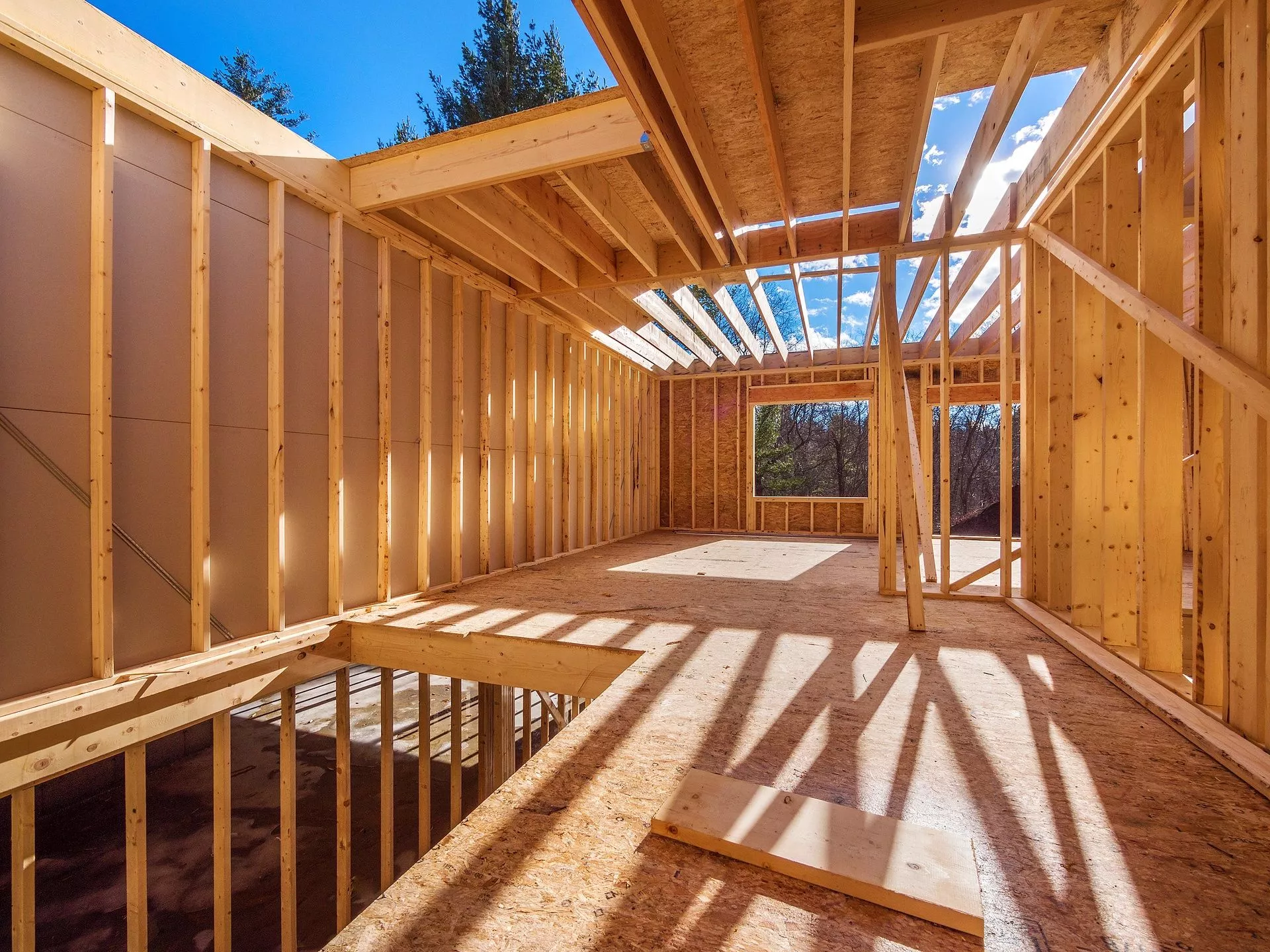
Steel framing is the right call for a home addition when your project needs more structural strength than wood can comfortably provide - think of second-story additions, wide open floor plans, or homes in fire-prone areas. It won't warp, rot, or draw termites, and it holds up underweight in a way wood simply can't match. That doesn't mean it's automatically the "better" material for every job, though. It depends a lot on what you're building and where.
I've seen homeowners assume steel is just the upgraded, more expensive version of wood framing, and leave it at that. It's a bit more nuanced than that. Here's what actually determines whether steel makes sense for your addition.

Wood vs. Steel: What Actually Changes
Wood framing has worked for residential construction for over a century, and honestly, for a lot of smaller additions it's still perfectly fine. But once you get into bigger spans, heavier loads, or environments where moisture and fire are real concerns, steel starts to pull ahead.
A few things steel does that wood struggles with: it doesn't shift with humidity or temperature the way lumber does, it's non-combustible, and it's immune to termites and rot. Because steel is so much stronger relative to its weight, builders can use fewer support beams, which opens up room for the kind of wide, open layouts a lot of homeowners are after these days - a bigger family room, a great room without a column in the middle of it, that sort of thing.
This is part of why steel frame modular homes have picked up so much momentum recently. Steel components can be fabricated off-site to tight tolerances and then assembled quickly on location, which cuts down on waste and keeps quality consistent from one panel to the next - something that's harder to guarantee with site-cut lumber.
So, When Does Steel Actually Make Sense?
Not every addition needs it. But a few situations tend to tip the scale clearly in steel's favor:
You're building a second story. Steel's strength-to-weight advantage really shows up here. It carries substantial weight without putting undue stress on the existing foundation.
You want an open, column-free layout. Steel beams can span much longer distances than wood, so you're not stuck working around support posts in the middle of a room.
Fire resistance matters to you. If you're anywhere near the wildfire-prone areas around Los Angeles, this alone can be worth the extra cost.
You're dealing with humidity or pest exposure. Steel doesn't rot, mold, or feed termites, so long-term maintenance drops considerably.
Timeline and precision are priorities. Prefabricated steel arrives with exact specs already built in, which usually means fewer surprises and a faster build.
When Wood Is Still the Smarter Pick
For a smaller, single-story addition with fairly standard spans, wood is often the more practical option - cheaper, easier to match with an existing wood-framed home, and simpler to modify years down the line if you decide to remodel again. Steel also isn't something, just any crew can install correctly. It calls for welding or bolting expertise and a real understanding of load calculations, which brings up the part of this that matters just as much as the material itself.
The Contractor Matters More Than People Realize
Steel only performs the way it's supposed to be installed properly. Bad connections, wrong load calculations, or poor coordination with the rest of the build can quietly erase every advantage steel is supposed to give you. That's why it's worth being picky about who you hire - experienced steel framing contractors understand load paths and fastening methods in a way that a general framing crew, used to working exclusively in wood, often doesn't.
The same goes for the addition project as a whole. A room addition isn't a small cosmetic job - it's a structural undertaking, and it should be treated that way from day one. Good room addition contractors will talk you through permitting requirements, structural engineering needs, and a realistic timeline before anything gets built. And if the addition is part of something bigger, say a new room plus a kitchen remodel or a layout change across the whole house, working with home addition builders who can manage the entire scope keeps everything on the same page instead of coordinating separate crews with separate schedules.
Figuring Out What's Right for Your Project
If you're weighing steel against wood, it usually comes down to a few honest questions. How much span or weight does your design actually require? How is your property exposed to fire, moisture, or pests? And how much does timeline predictability matter to you? If those answers lean toward strength and durability, steel is worth the investment. If your addition is more modest and budget is doing most of the deciding, wood still holds up fine.
Either way, the material only gets you halfway there. The crew building is what determines whether you actually get what you paid for.
Final Thoughts
Deciding between steel and wood isn't really about which material sounds more impressive - it's about matching the structure to what your addition actually needs to do, both now and years from now. Whether that means the strength of steel or the flexibility of traditional wood framing, the outcome depends just as much on the team behind it as the material itself.
Frequently Asked Questions
Is steel framing more expensive than wood?
Usually, yes, at least upfront. Materials and labor both run higher. But steel tends to need less maintenance over the years and holds up longer, so the cost gap narrows over time.
Can steel framing be added to an existing wood-framed house?
It can. A lot of home addition builders use just for the structural pieces - beams, load-bearing walls - while keeping wood everywhere else. It's a way to get steel strength exactly where you need it without redoing the whole structure.
How much longer does a steel addition take compared to wood?
Usually it's the opposite - steel often builds faster, since prefabricated components arrive with precise measurements already done. Permitting and project size still affect the overall timeline either way.
Does every contractor know how to work with steel?
No, and that's worth checking before you hire. Steel framing takes different tools and know-how than wood, so it's important to confirm your contractor has actual hands-on experience with steel systems, not just wood.