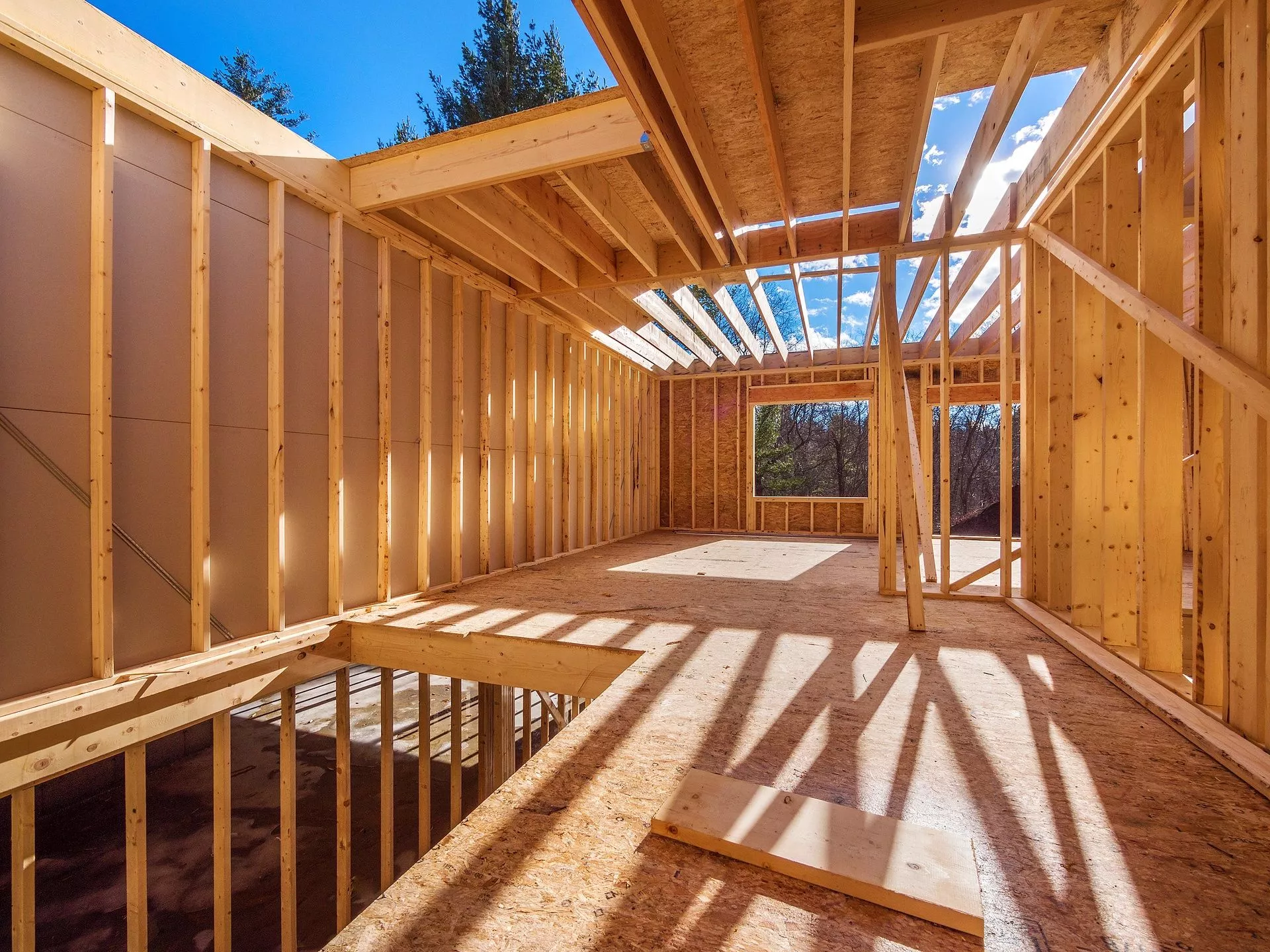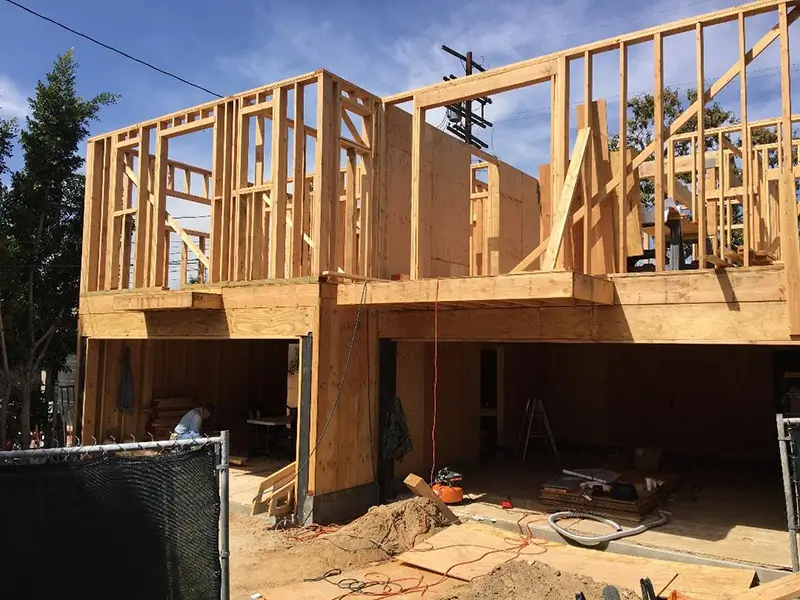
Your house got too small, but you still love the street, the neighbors and the school down the road. Moving means giving all that up. Home addition doesn't. You get extra room, a likely bump in value and a layout shaped around how your family lives and you never pack a box.
Below are the 8 biggest benefits of a room addition. We've also added a few things to check before you build.
Why Build a Home Addition?
Short version? You get the space without the headache of a move. Here's what that looks like day to day.
Extra room for a bedroom, office or family room, right where you already live
A well-built bedroom or bathroom addition often pays off when you sell
No listing, no packing, no months of open houses
You design it so it fits your family and not some builder's guess
New windows, insulation and HVAC mean lower bills than the old part of the house
Cramped, cluttered rooms finally get fixed
You can build toward your dream home in stages
A private suite might even bring in rent
Pick your contractor carefully, though. Look for one who handles design, permits and construction together, like the full-service team at Snow Construction. More on that near the end.
1. You Get More Room to Live
Square footage is the obvious win, and it's still the biggest one. If your family is growing, an extra room can change everything. Bigger kitchen? Fourth bedroom? A sunroom where the dog can nap? Your call.
A good room addition contractor builds the layout around your routine, not a generic plan. Here's how it tends to shake out.
Got a new baby on the way? Add a bedroom or a playroom that keeps the toys out of the living room.
Working from home? A real office with a door usually means better focus.
Love hosting? A bigger dining room or family room makes it painless.
The house just gets easier to live in.

2. Will It Add Value?
A good addition can raise what your home is worth. There's a condition, though. The new space has to be usable and look like it belongs. Buyers pay extra for more living space, and bedrooms and bathrooms are the favorites.
Here's the split.
Adds value: a bedroom, a bathroom, a primary suite
Adds value: a roofline and style that match the original house
Costs you: a weird floor plan, a mismatched exterior, or rushed finish work
This is where the builder matters. Good crews blend new into old so nobody can tell where one stops and the other starts. A bad job does the opposite, and buyers notice right away. Before you sign anything, look through finished projects in the portfolio and see the quality for yourself.
3. Why Moving Is Usually the Harder Option
Like your neighborhood but need more room? Building beats moving more often than people expect. A move means finding a house, selling yours, packing everything, and relocating. Months, easily. Then there's an emotional piece, especially if your kids and friends are close by.
In Los Angeles and Santa Barbara, house hunting can be slow and expensive. Building lets you grow in place, and we work in neighborhoods all across LA County, so chances are we're not far from you.
A typical move involves:
Searching for a house that ticks most of your boxes (never all of them)
Selling yours on a buyer's schedule
Movers, packing supplies, and closing costs
New schools, new neighbors, a new commute
4. Build It Your Way
Every house you buy has something you settle for. A kitchen that's a little small. A bedroom that's fine but not great. With an addition, you skip the compromise.
Popular choices?
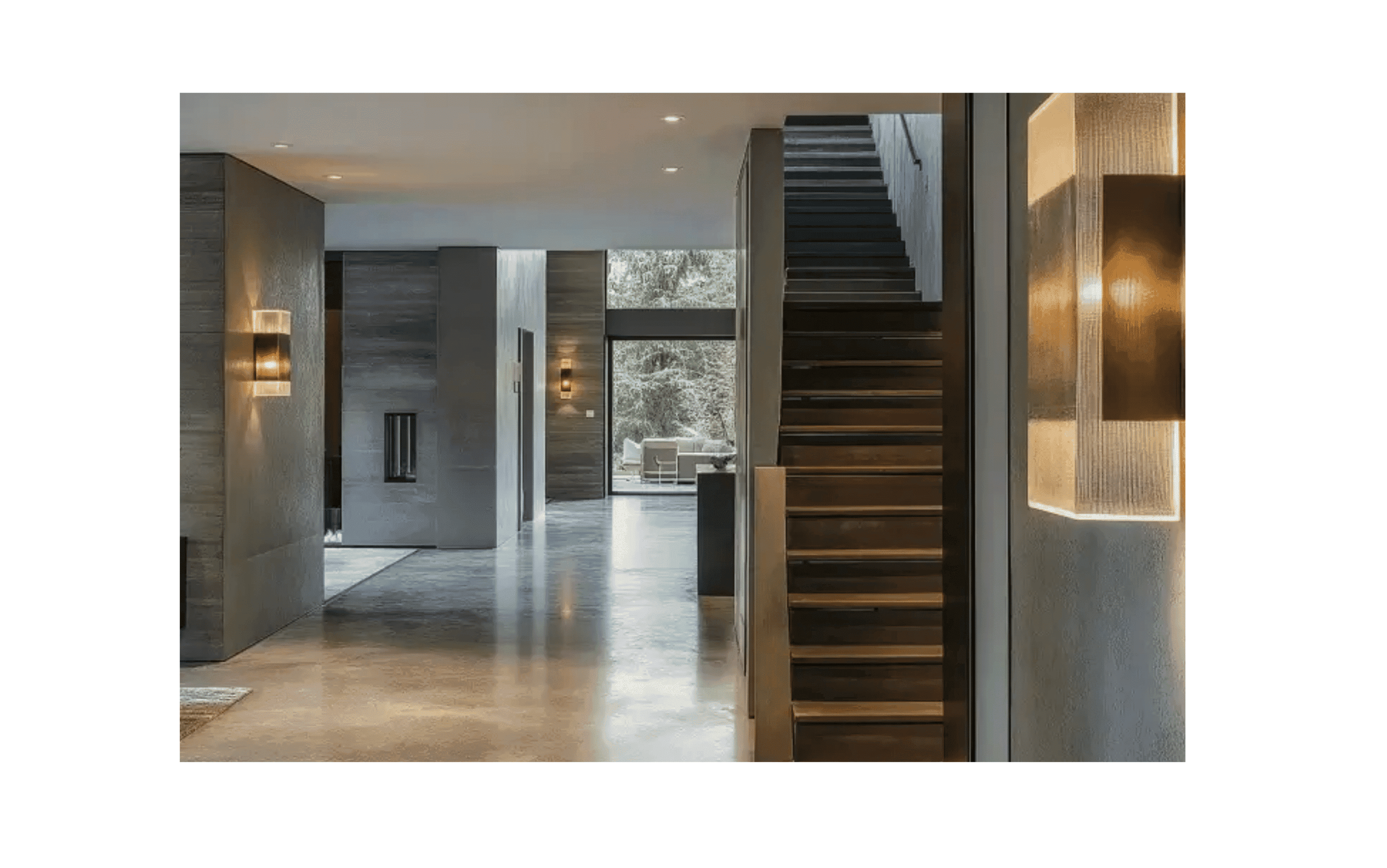
A primary suite with a soaking tub or a big walk-in shower
A game or media room for movie nights and board games
An in-law suite, so aging parents get their own private space
5. Cheaper to Run, Too
New construction tends to be more efficient than the older part of your home. Better windows, insulation, and HVAC waste less energy, so your bills can drop over time. California's Title 24 energy code also sets minimum standards for new additions, so you start with a decent baseline.
Want to save even more? Look at these.
Double-pane or low-E windows
Extra insulation in the walls and attic
A high-efficiency HVAC system
LED lighting
Solar, if your roof and budget cooperate
Raise these early with your contractor. Building them in costs less than adding them later.
6. Fix What Bugs You
Some rooms just annoy you. Shoes piled by the door. A closet that won't close. A kitchen built for one cook. One well-planned addition can end all of that.
For example:
A mudroom catches boots and backpacks before they reach the living room
A walk-in closet clears the clutter out of your bedroom
A family room gives everybody a spot to hang out
Tell your contractor what drives you crazy. The plan should fix those things, not just add square feet.
7. Your Dream House, Without the Demolition
A new custom home costs a fortune and takes years. Most people can't swing it. An addition gets you closer in smaller steps. Maybe it's one room. Maybe it's the second story. Either way, the design follows what you want.
Bigger builds start with the foundation and framing, so it pays to understand that stage early. In LA, it also decides how your house handles a quake, which is why earthquake-ready foundation and framing deserves a look before you finalize plans.
8. Rental Income, If You Want It
A private suite with its own entrance can earn steady rent. The income can chip away at the build cost, and the unit adds value to your property.
Go in with your eyes open, though.
Plan for rental use from day one
Local building codes and zoning have to allow it
A separate living unit can fall under different rules than a regular room addition
Ask your contractor what's allowed on your lot before you pay for design. Thinking about a standalone unit? Learn how our accessory dwelling unit services work.
Match Your Goal to the Right Addition
Not sure where to begin? Find yourself in the table below.
Your goal | Addition to consider | Main benefit |
Growing family | Extra bedroom or playroom | Space for everyone |
Working from home | Home office | A dedicated workspace |
Hosting often | Family room or dining room | Room for guests |
Caring for aging parents | In-law suite | Privacy with family close by |
Earning extra income | Studio or suite with separate entrance | Potential rental income |
Fighting clutter | Mudroom or walk-in closet | Storage and order |
Why a Pro Contractor Is Worth It
Additions touch design, construction, and city rules, and a slip in any one of them gets expensive fast. A good contractor keeps the job on schedule, on budget, and up to code. Here's what you're paying for.
Planning help, so the new space matches your home's style
Permits and inspections are handled for you, which saves weeks of back and forth
Structural work that's built to last
Better material pricing through supplier relationships and fewer budget surprises
Not sure how to vet a builder? Here's how to choose a room addition contractor who finishes on time.
So, Is It Worth It?
If you're staying put, probably. You get the space, likely a higher home value, and a house that works the way you live. You skip the moving truck and the stress. The payoff starts the day it's done and keeps going.
Still, the contractor decides how it turns out. Pick someone who'll handle design, permits, and construction with you. Weighing other ideas? An ADU above your garage is another way to gain space.
Frequently Asked Questions
Does a home addition increase property value?
Most of the time, yes. Bedrooms, bathrooms, and primary suites tend to add the most. How much you gain depends on your neighborhood, the size of the addition, and how well it's built. A mismatched addition can backfire, so make sure it blends in.
Is it cheaper to build an addition or move?
Often, building costs less. Selling and buying means agent fees, closing costs, and paying more for a bigger house. Your lot, your goals, and today's market all play a part. Get a free in-home estimate first, then compare the two.
How long does a room addition take?
Budget 3 to 6 months of building for a single room. Design and permits come before that and can add several weeks. Multi-story jobs take longer. Want details on the structural stage? See how long foundation and framing take.
Do I need a permit to build a room addition in Los Angeles?
You do. Almost every addition in Los Angeles needs a building permit and inspections. Your contractor typically handles the plans, the paperwork, and the inspection scheduling.
Can I rent out a room addition?
Maybe. A private suite with its own entrance can work, if zoning and building rules allow it. It might count as an accessory dwelling unit (ADU), which has its own requirements. Check your property rules before you design anything.