
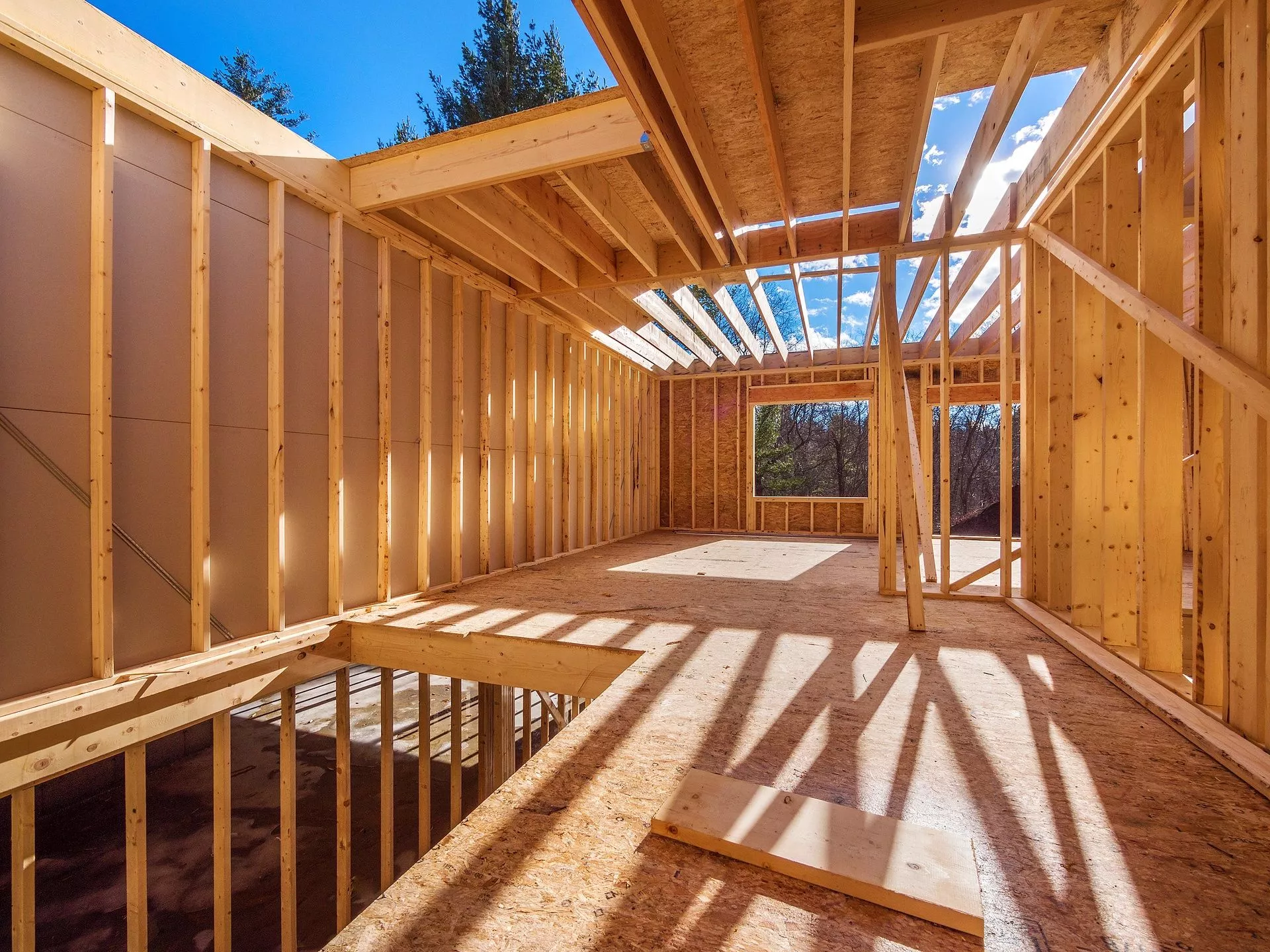
Foundation and framing construction typically takes 4 to 8 weeks combined for an average single-family home - roughly 1 to 3 weeks for the foundation (including cure time) and 3 to 5 weeks for framing. The exact timeline depends on house size, foundation type, weather, and how quickly your foundation contractor and framing contractor can coordinate the handoff between phases.
That's the short answer. The real answer - the one that actually helps you plan a build - depends on which foundation type you're pouring, how big the house is, and where the delays tend to hide. Here's the full breakdown.
Foundation Timeline: Phase by Phase
A foundation isn't one task - it's five, and each one has its own clock.
Site prep and excavation (1-3 days): Clearing, grading, and digging to the required depth. Rocky soil, high water tables, or a sloped lot can stretch this significantly.
Forming and rebar (2-4 days): Carpenters build the wood or metal forms that shape the concrete, and rebar goes in for structural reinforcement. Inspections often happen here before any concrete is poured.
Pouring the concrete (1 day): The pour itself is fast - usually a single day for a residential foundation, sometimes split into a footing pour and a wall or slab pour on separate days.
Curing (5-7 days minimum, up to 28 days for full strength): This is the step most homeowners underestimate. Concrete reaches enough strength to build on after about a week, but it keeps hardening for nearly a month. Framing crews typically start once the concrete hits usable strength, not full strength - but rushing this step is one of the most common causes of foundation problems down the line.
Waterproofing and backfill (1-2 days): Sealing the foundation walls and backfilling around them, which needs to happen before framing crews show up.
Total foundation timeline: roughly 1 to 3 weeks, depending on the foundation type:
Slab-on-grade is fastest - often done in 1 to 2 weeks since there's no basement excavation or wall forming.
Crawl space foundations run slightly longer, typically 2 weeks, due to the extra excavation and wall work.
Framing Timeline: What Actually Determines the Speed
Once the foundation has cured enough to build on, framing moves fast by comparison - but "fast" still means weeks, not days, for most homes.
Floor framing (2-4 days): Setting the sill plates and floor joists on top of the foundation.
Wall framing (1-2 weeks): Exterior and interior walls go up. This is usually the longest single stretch of the framing phase, especially on homes with complex layouts or lots of interior walls.
Roof framing (1-2 weeks): Trusses or rafters, sheathing, and getting the structure watertight. Roof complexity - hips, dormers, multiple pitches - adds time here more than almost anywhere else in the build.
Rough openings and sheathing (3-5 days): Windows, doors, and exterior sheathing to close in the structure.
Total framing timeline: roughly 3 to 5 weeks for an average 2,000-2,500 sq ft home. Larger or more architecturally complex homes can run 6 to 8 weeks.
What Actually Causes Delays
Most timeline overruns trace back to a handful of repeat offenders:
Weather: Rain delays concrete pours and curing; wind and rain also slow roof framing. This is the single biggest wildcard in any schedule.
Permit and inspection scheduling: Foundation and framing inspections are often required before the next phase can legally start, and inspector availability varies by jurisdiction.
Material lead times: Engineered lumber, trusses, and certain concrete mixes can have order lead times that outpace the build schedule if not ordered early.
Poor handoff between contractors: When the foundation contractor and framing contractor aren't coordinating, framing crews show up before the concrete is ready - or sit idle waiting on a foundation that's behind schedule.

Do You Need a Separate Foundation Contractor and Framing Contractor?
Sometimes, and it matters more than people expect. Foundation work and framing require different equipment, crews, and expertise - concrete forming and pouring is a different trade than structural carpentry. Some companies handle both under one roof, which removes the scheduling gap between phases entirely, since the same team controls both timelines instead of two separate companies handing off a project.
If you're comparing quotes, ask directly how the foundation-to-framing handoff is scheduled - that gap is where most residential timelines quietly slip by a week or two.
Frequently Asked Questions
How long does it take to pour and cure a foundation?
The pour itself takes about a day. Concrete cures enough to build on within 5 to 7 days, though it continues gaining strength for up to 28 days.
How long does framing take for a 2,000 sq ft house?
Around 3 to 5 weeks for a standard single-story or two-story home of that size, assuming no major weather delays.
Can foundation and framing overlap?
Not directly - framing can't start until the foundation has cured to a safe working strength. But prep work like material ordering and permitting can happen in parallel to shorten the overall project timeline.
What's the single biggest cause of foundation and framing delays?
Weather and poor coordination between the foundation crew and framing crew are the two most common culprits, followed by inspection scheduling.
Does the type of foundation affect how long framing takes?
Not directly - framing speed depends more on house size and roof complexity than foundation type. But foundation type affects when framing can start: a slab foundation cures and clears for framing faster than a full basement, which shifts the whole project timeline earlier even though the framing phase itself takes the same amount of time either way.


