Something interesting is happening in Los Angeles’ real estate right now. Condo prices have dropped. The inventory is sitting. And yet, buyers still aren't showing up.
You'd think lower prices would bring people out. But reality is messier than that. High mortgage rates, rising HOA fees, aging buildings with expensive maintenance bills, and general economic uncertainty have made buying a condo in LA feel like a bad deal — even when prices are coming down.
So, what are homeowners doing instead? A lot of them are staying put and building.
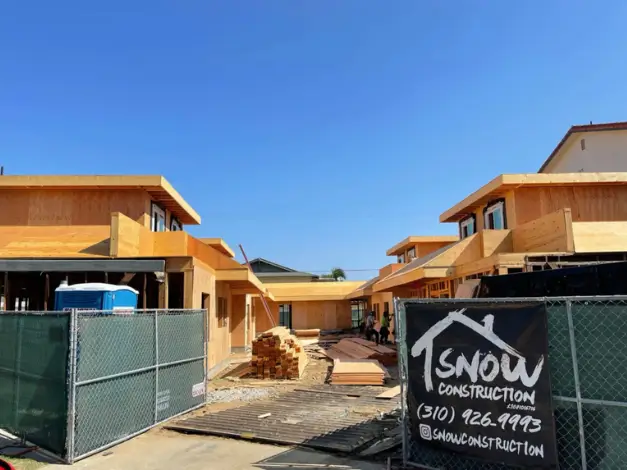
They're adding ADUs, expanding their square footage, going up a story, or starting fresh with ground-up construction on land they already own. And the first calls they're making are to a foundation contractor and a framing contractor because that's where every serious build starts.
This post breaks down what's happening in the LA market, why building is making sense for so many homeowners right now, and what you should know before you pick up the phone.
Did You Know
Condo sales in Los Angeles fell to a 20-year low in early 2026. Fewer than 2,000 units sold across all LA County in January and February combined, according to property data firm Attom.

What's Happening in the Los Angeles Housing Market
The Los Angeles condo market has been stalled. Prices have been flat for nearly two years, hovering around $700,000 for a two-bedroom unit. In early 2026, the median price dropped close to 5% year-over-year and even at that lower number, deals aren't getting done.
Part of the problem is supply. California's regulatory environment, high land and labor costs, and a 10-year construction defect liability window for HOAs have made condo development almost impossible to justify financially. Developers have largely stopped building them. What's left on the market is mostly older inventory 40 to 50-year-old buildings that need serious capital work.
The other part is demand. Mortgage rates have stayed high. Buyers who stretched their budgets during the pandemic-era price surge are still sitting on the sidelines. And the ones who could buy often don't want to take on a unit with a ballooning HOA and a deferred maintenance problem baked into the price.
The result is a market stuck in neutrality. Sellers who need to move are cutting prices. Buyers who could move are choosing not to. And a growing number of existing homeowners are looking at the situation and deciding to invest in what they already have.
Key Insight
A cooling market doesn't mean prices will crash. It means the window for making smart improvements to your current property rather than overpaying to move into someone else's is wide open.
Why Many Homeowners Are Staying Put Instead of Buying
For a lot of people, math buying just doesn't work right now. And it's not only about the purchase price.
Higher borrowing costs are obvious. Even with prices easing, monthly mortgage payments on a $700,000 condo at current rates can easily exceed $4,500. That number makes a lot of buyers pause.
Then there's the HOA factor. Many of LA's older condo buildings are heading into expensive capital improvement cycles new roofs, elevator overhauls, plumbing updates, seismic retrofitting. HOA fees that look manageable when you buy can balloon quickly once the building's real deferred maintenance bill comes due. Some buyers have been blindsided by special assessments running into the tens of thousands within the first few years of ownership.
Inventory is another problem. There are fewer condos available, and the ones that are available are often in buildings with the issues described above. Finding a newer, well-maintained unit at a reasonable price in a neighborhood you want to live in is genuinely difficult right now.
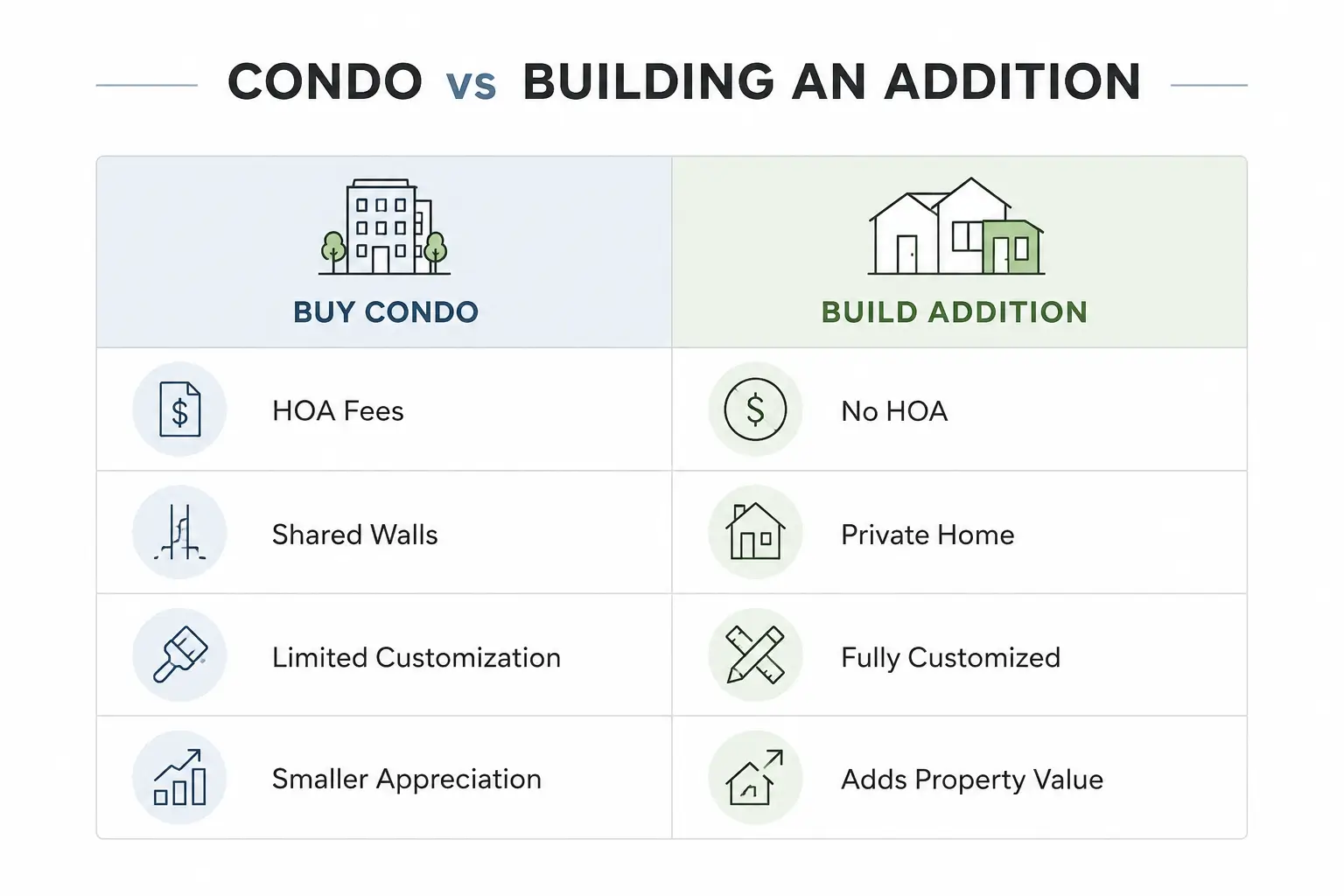
For homeowners who already have property, the smarter move is often to build. Your land is already yours. You know the neighborhood. You can design exactly what you want. And in many cases, the cost per square foot of a well-executed addition or ADU comes in well below what you'd spend buying the same square footage on the open market.
What Homeowners Are Building Instead
The projects we're seeing most in Los Angeles right now fall into a few clear categories.
ADUs (Accessory Dwelling Units): A detached or attached unit on your existing property. LA has loosened its ADU rules significantly over the last few years, and a well-built ADU can generate $2,000 to $3,500 per month in rental income. For a lot of homeowners, it's the most financially compelling project they can do right now.
Room additions: Need a home office, a larger primary suite, or space for a family member? A room in addition built into your existing structure is often faster and more cost-effective than selling, buying, and moving.
Second-story additions: For single-story homes in desirable neighborhoods, going up is frequently better than going out or going somewhere else. A second story can double your livable space without touching your yard.
Ground-up construction: Some homeowners are tearing down outdated structures and starting fresh on their lot. This gives you full control over layout, systems, energy efficiency, and design — without competing in a broken resale market.
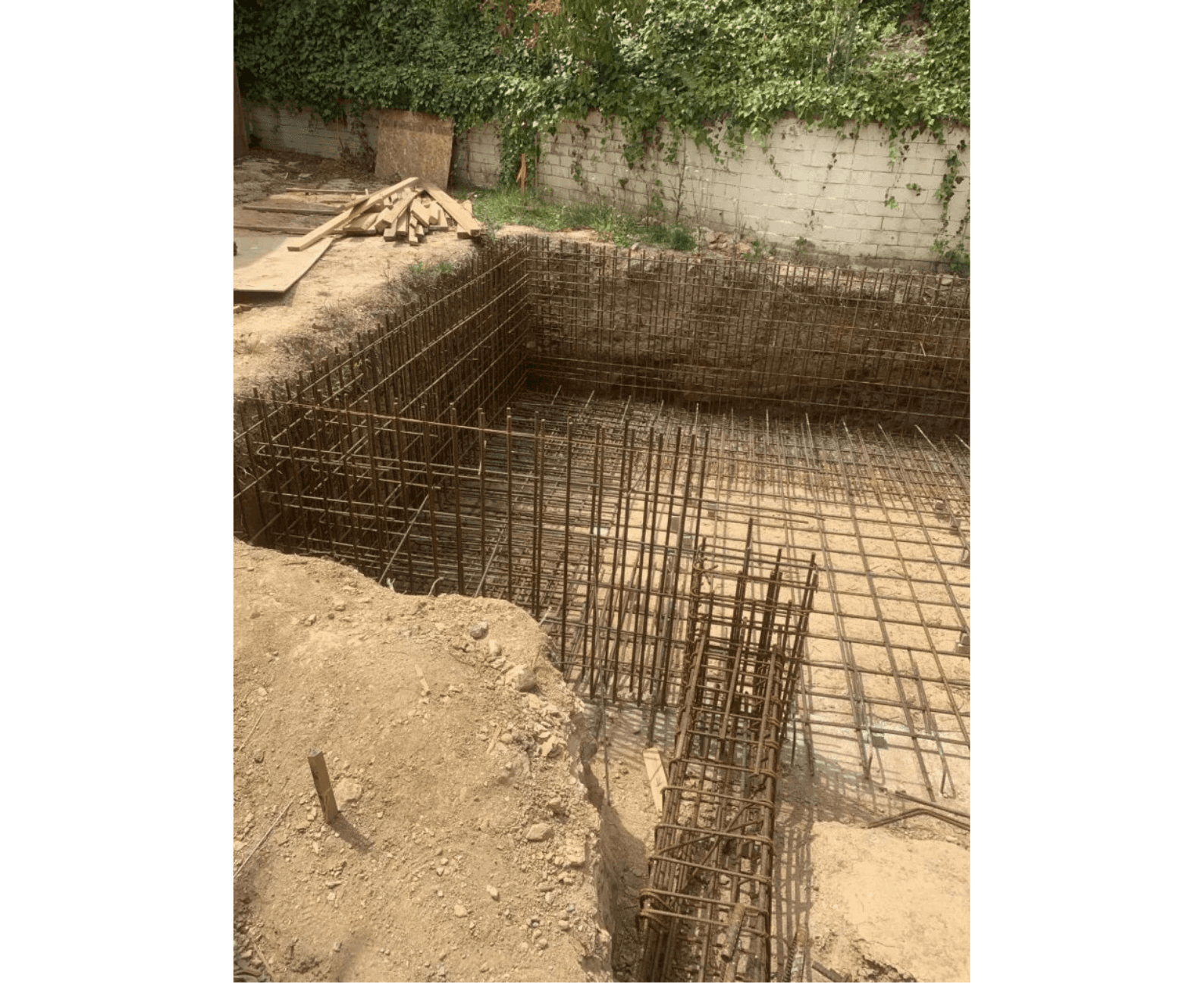
Every single one of these projects has the same two starting points: foundation and framing. Get that right, and everything else follows. Get them wrong, and no number of beautiful finishes will fix what's underneath.
Why Foundation and Framing Matter First
There's a temptation in residential construction to focus on the visible stuff — the kitchen, the floors, and the bathrooms. But the foundation and the frame are what determine whether a home is safe, sound, and built to last.
The foundation is what connects your home to the ground. In Los Angeles, where seismic risk is real and soil conditions vary dramatically from neighborhood to neighborhood, a properly engineered foundation isn't a nice-to-have. It's everything. A flawed foundation will cause cracking, settling, and structural movement that no renovation upstairs can compensate for.
The frame is the skeleton everything else attaches to. Walls, windows, doors, rooflines — they all depend on the frame being square, plumb, and structurally accurate. In LA, framing also includes shear walls, which are specifically designed to resist lateral earthquake forces. A framing contractor who understands LA's seismic requirements isn't just doing structural work — they're building a home that performs when it needs to.
This is why the best home improvement decision you can make before any major project is choosing the right foundation contractor and framing contractor. Not the cheapest. The right one.
When to Call a Foundation Contractor
Some situations make it obvious. Others are easy to overlook until the problem gets expensive. Here's when to pick up the phone:
Cracks in walls, floors, or ceilings: Hairline cracks can be cosmetic. But horizontal cracks in foundation walls, diagonal cracks running from window corners, or cracks that are growing over time are warning signs of structural movement.
Doors or windows that stick or won't close properly: This usually means the frame is shifting, which often traces back to foundation settling or movement.
Visible sloping or uneven floors: If you can feel a slope walking through a room, the foundation beneath it may not be level.
Drainage problems around the base of your home: Water pooling near the foundation is a long-term threat. It erodes soil, increases hydrostatic pressure, and can crack concrete over time.
Starting any new construction: An ADU, a room addition, a ground-up build — all of these require a properly permitted and inspected foundation before framing can begin.
If any of these apply to your situation, don't wait. Foundation problems don't resolve themselves, and the longer they go unaddressed, the more expensive they get.
When to Call a Framing Contractor
Framing comes right after the foundation is set and inspected. But there are also situations where an existing home needs structural framing work done after the original building.
New home construction: The frame is the first thing built after the foundation. It defines every room's dimension, ceiling height, window placement, and roofline.
Room or second-story additions: Adding to an existing structure requires tying new framing into the existing structure cleanly and code.
Structural framing repairs: Rot, termite damage, or previous DIY work that doesn't meet code sometimes requires a licensed framing contractor to come in and correct the structure before any finish work proceeds.
Wood framing for ADUs: Whether attached or detached, an ADU requires its own complete framing package of walls, roof, openings all built to LA building department standards.
Good framing work is invisible once a home is finished. You don't see it behind the drywall. But you feel it in how solid the home feels, how well the doors close, and how the building performs over decades of use.
How to Choose the Right Contractor in Los Angeles
Los Angeles has thousands of licensed contractors and plenty of unlicensed ones. Here's how to tell the difference between someone who will do the job right and someone who will leave you with a problem.
Verify the California Contractor's License: Every licensed contractor in California has a CSLB number. Look it up at cslb.ca.gov before signing anything. An active license means they're legally authorized to do the work, carry workers' comp, and are accountable to a state board if something goes wrong. Snow Construction License #1016716.
Check their residential portfolio: Commercial and residential construction are different disciplines. A residential framing contractor should be able to show you completed homes and additions similar in scale to your project.
Ask about supervision: Who is on your job site every day? A dedicated foreman — not a rotating cast of whoever's available — keeps quality consistent from day one to completion.
Understand the timeline and what drives it: A reputable contractor will give you a realistic timeline based on crew size, permit timelines, and scope. Vague answers about schedule are usually a warning sign.
Look for turnkey capability: A contractor who handles both foundation and framing in Los Angeles — under one contract — eliminates the coordination problems that come from managing two separate crews. It's simpler, faster, and usually less expensive overall.
Building Can Be Smarter Than Buying Right Now
The LA condo market is giving a lot of people pause — and that pause is turning into a plan. Instead of waiting for the market to sort itself out, homeowners across Los Angeles are choosing to build better spaces, more value, and a home that actually fits their life.
That starts with getting the foundation right and the framing done properly. Everything else — the design, the finishes, the functionality — depends on those two things being solid.
If you're thinking about an ADU, an addition, or any kind of new construction in Los Angeles, Snow Construction has been doing this work since 2003. We handle framing Los Angeles homeowners can rely on, and our foundation work is built to last. One team, one contract, no surprises.
Ready to Start Your Project?
Talk to Snow Construction about your foundation or framing project in Los Angeles. We serve all of LA County and Santa Barbara with licensed, full-service construction you can count on.
Call: 310-926-9993 | Visit: snowconstructionla.com | License #1016716
Frequently Asked Questions
Is now a good time to buy a condo in Los Angeles?
Condo sales in LA have hit a 20-year low, and prices have stagnated around $700,000 for a two-bedroom unit. High mortgage rates, rising HOA fees, and limited new supply are all weighing on the market. Many homeowners are finding better value in improving their existing property rather than entering a sluggish market.
What are homeowners building instead of buying in LA?
The most common projects are ADUs (accessory dwelling units), room additions, second-story additions, and ground-up custom builds. All of these require a solid foundation and framing work as the first and most critical phase.
When do I need to call a foundation contractor?
Call a foundation contractor if you notice cracks in your walls or floors, doors or windows that no longer close properly, visible settling or sinking, drainage problems around your foundation, or if you are starting any new construction project that requires a concrete base.
What does a framing contractor do?
A framing contractor builds the structural skeleton of your home walls, floors, roof lines, and openings. Every other trade (electrical, plumbing, insulation, drywall) depends on the frame being square, level, and structurally sound. In Los Angeles, framing also includes shear wall installation, which is critical for earthquake resistance.
Does Snow Construction handle both foundation and framing work?
Yes. Snow Construction is a licensed foundation contractor and framing contractor in Los Angeles, handling both scopes under one contract. This eliminates the coordination gaps and timeline delays that come from hiring two separate crews.
How do I choose the right contractor for foundation and framing in Los Angeles?
Verify their California Contractor's License on the CSLB website, check their residential project portfolio, confirm OSHA safety compliance, and make sure they offer clear timelines and budgets in writing. Snow Construction holds License #1016716 and has been serving LA since 2003.