Professional construction services keep projects on budget through accurate upfront estimating, transparent contracts, and consistent cost tracking at every phase. A qualified construction service manages material pricing, labor scheduling, and permitting in tandem - catching overruns early instead of discovering them after the damage is done.
That single habit - catching problems before they become expensive - is really what separates a well-run build from one that spirals. If you've ever heard a horror story about a renovation that doubled in cost, it almost always traces back to poor planning, vague contracts, or a contractor who wasn't tracking spend in real time. Here's how the process actually works when it's done right.

Accurate Estimating Starts Before the First Nail Goes In
Budget control doesn't begin on-site - it begins on paper. A reputable commercial construction contractor or residential team will walk the property, review architectural plans, and price out materials and labor down to specific line items before any work starts. This isn't a rough guess. It's a detailed breakdown that accounts for site conditions, local permitting costs, and realistic timelines.
In a market like Los Angeles construction, where labor costs, permitting timelines, and material availability can shift quickly, this level of detail matters even more. A contractor who's been operating locally for years will already know which permits typically take longer, which suppliers are reliable, and where hidden costs tend to hide in older properties.
Transparent Contracts Prevent Surprise Costs
One of the biggest budget killers in construction is vague scope. When a contract doesn't clearly define what's included, homeowners end up paying for "extras" that should have been part of the original estimate. Professional construction services avoid this by putting everything in writing - materials, timelines, payment schedules, and what happens if unexpected issues (like foundation damage or outdated wiring) turn up mid-project.
This is especially important for new construction Los Angeles projects, where ground-up builds involve dozens of moving parts: grading, foundation work, framing, plumbing rough-ins, electrical, and inspections. Every one of those stages needs its own budget checkpoint, not just one lump estimate at the start.
Foundation and Framing Set the Financial Tone for Everything Else
The earliest structural phases of a build carry outsized influence over the final budget. A residential foundation contractor who identifies soil issues, drainage problems, or grading challenges early can save a homeowner tens of thousands of dollars down the line. Foundation problems discovered after framing begins are far more expensive to fix than issues caught during initial site evaluation.
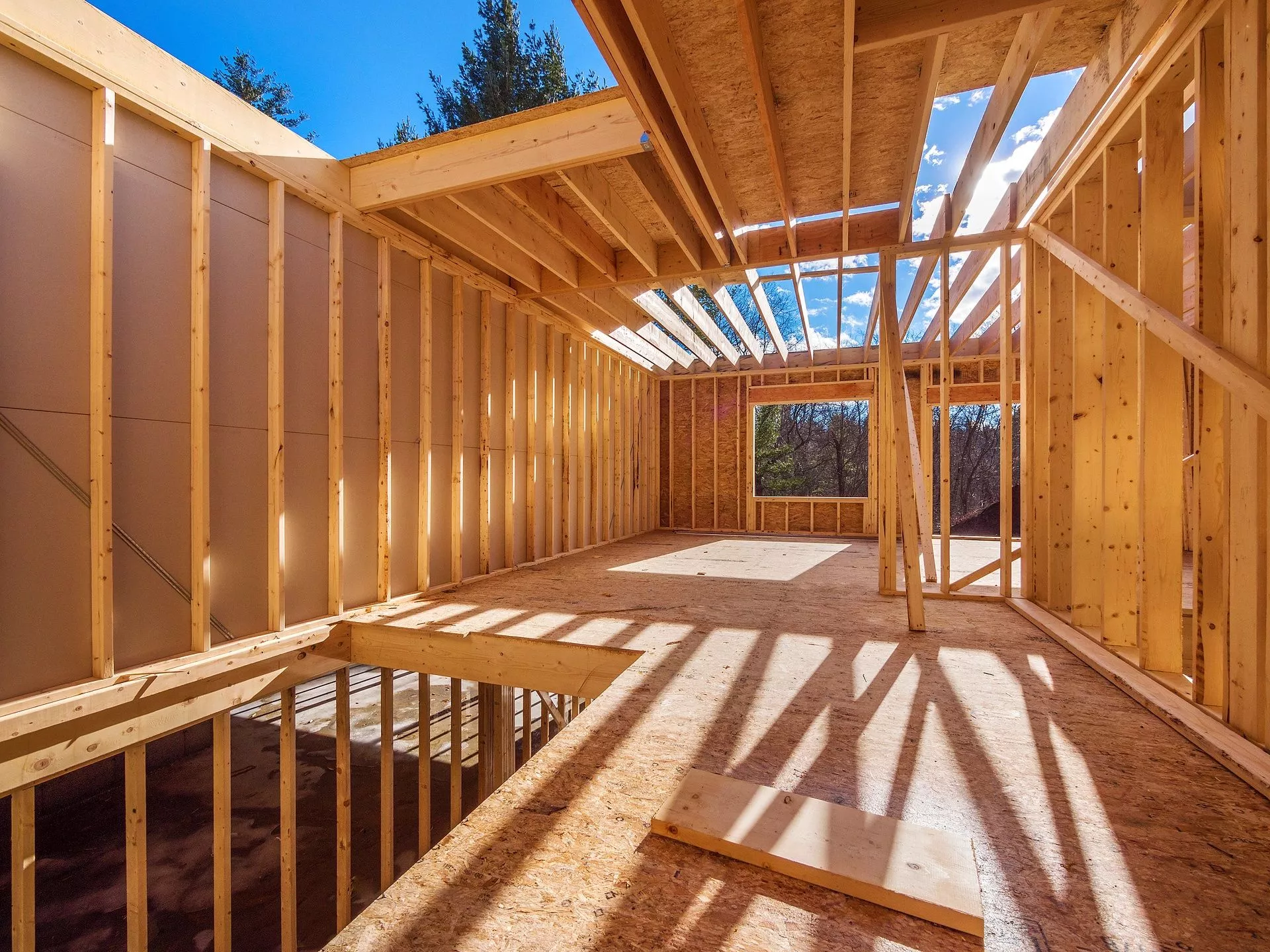
The same logic applies to framing. A skilled residential framing contractor works efficiently, minimizes wasted material, and keeps the schedule tight - because every extra day on-site adds labor cost. Framing is also where design changes get expensive fast, so experienced crews flag potential issues before cutting a single board, not after.
Real-Time Cost Tracking Keeps Everyone Accountable
Budgets aren't static - they need to be monitored throughout the life of a project. Professional teams use project management systems that track spend against the original estimate in real time. If material prices spike or a change order comes in, it's flagged immediately rather than buried until the final invoice.
This kind of accountability is what separates a dependable construction service from one that simply hopes things work out. Regular check-ins, photo documentation, and weekly or biweekly budget updates give homeowners visibility into where their money is going at every stage.
Skilled Labor Reduces Costly Mistakes
Cutting corners on labor almost always costs more in the long run. Rework, code violations, and failed inspections all add time and money to a project - and those costs land on the homeowner. A licensed, experienced crew gets things right the first time, which is ultimately the biggest budget-saving factor of all.
Whether it's a full renovation, a ground-up custom home, or a smaller remodel, working with a team that has deep local experience - from permitting to final walkthrough - is what keeps a project's timeline and budget aligned from day one.
Final Thoughts: Snow Construction
Staying on budget isn't about luck - it's about working with a team that plans carefully, communicates honestly, and manages every phase of the build with precision. That's the standard we hold ourselves to at Snow Construction.
We're a general contractor offering residential and commercial construction, renovations, remodels, and more - built on quality, honest customer service, and thoughtful design. Since 2013, our family-owned company has helped homeowners across Los Angeles, Santa Barbara, and surrounding communities bring their vision to life, from foundation and framing to ground-up custom homes, ADUs, room additions, and fire damage restoration.
Founded by Billy Snow - who's been hands-on in construction since 1999 - our approach has always been simple: transparent pricing, honest communication, and no high-pressure sales tactics. Every project is managed with the same care Billy brings to his own home.
Frequently Asked Questions
What's the single biggest factor in keeping a construction project on budget?
Honestly, it comes down to the estimate you start with. If a construction service takes the time to price out materials, labor, and permitting accurately before anyone picks up a hammer, you've already avoided most of the surprises that blow up a budget later. Rushed or vague estimates are where trouble usually starts.
Why do so many construction projects end up going over budget?
More often than not, it's not one big mistake - it's a handful of small ones. A contract that doesn't spell out the scope clearly, a "we'll figure it out as we go" attitude, or something unexpected turning up mid-project, like a foundation issue or old wiring nobody accounted for. Individually these seem minor, but they add up fast.
Does foundation work really make that much of a difference to the final cost?
Yes, more than people expect. A good residential foundation contractor will check soil conditions and drainage before construction even starts, because catching a problem at that stage is far cheaper than fixing it after the walls are up. Foundation issues found late in a build are some of the most expensive fixes in construction, period.
Do I actually need a detailed written contract, or is a verbal agreement enough?
Get it in writing, every time. A clear, itemized contract protects you and your contractor by laying out the scope, timeline, and payment schedule before work begins. It's not about distrust - it's just the easiest way to avoid disagreements or surprise charges once the project is underway.
What should I look for when hiring a commercial construction contractor for a larger project?
Look past the price on the bid and pay attention to how they communicate. A solid commercial construction contractor will walk you through their process, explain how they track costs during the build, and give you a realistic timeline instead of an overly optimistic one. Experience with projects similar in size and scope matters just as much as the number on the estimate.