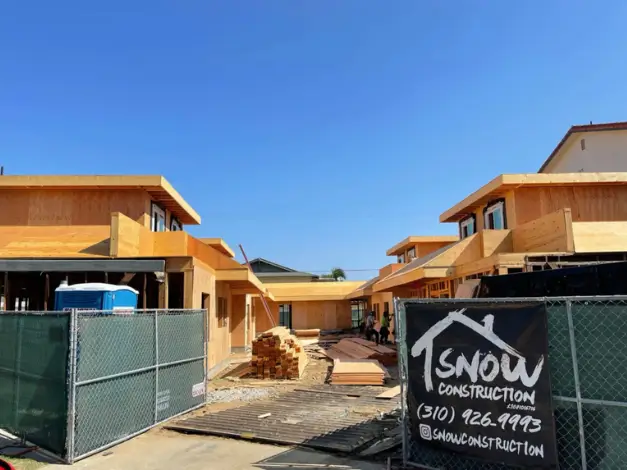
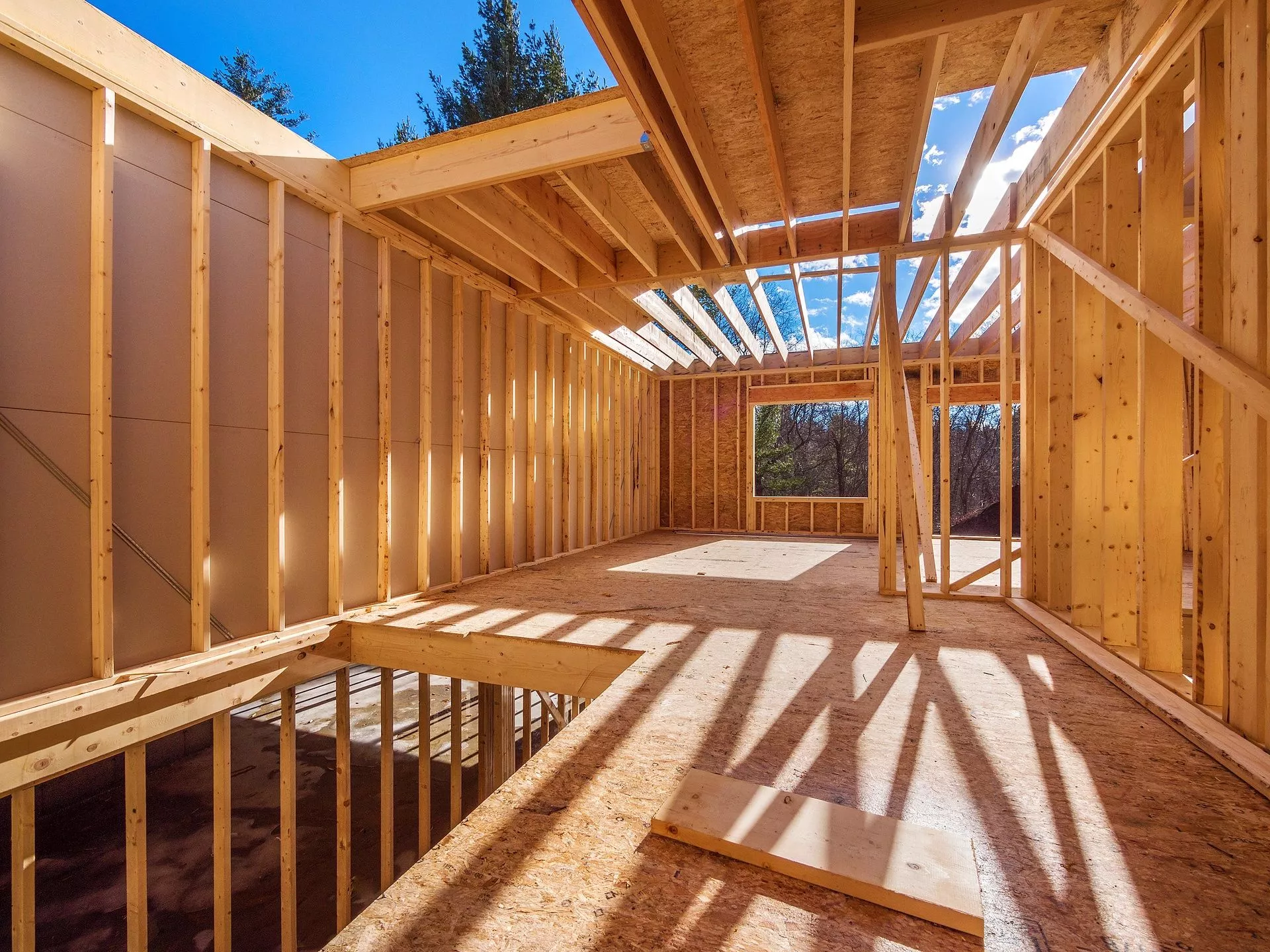
The most common foundation problems in Los Angeles homes are cracking and settling caused by expansive clay soil, seismic shifting, and seasonal drought-to-rain moisture swings. These conditions cause foundations to expand, contract, and shift unevenly, leading to cracks, uneven floors, and sticking doors over time.
If you own a home in LA, this isn't just theory - it's something a lot of homeowners eventually run into, often without realizing the ground itself is the culprit. Let's break down exactly why this happens and what it means for your house.
Why Los Angeles Soil Is Especially Hard on Foundations
Southern California sits on a mix of clay-heavy and sandy soils, and clay is the real troublemaker here. Clay soil absorbs water and swells during rainy months, then dries out and shrinks during LA's long dry stretches. That constant expansion-and-contraction cycle puts uneven pressure on a foundation year after year, and eventually something gives - usually in the form of cracks or shifting.
This is exactly why a foundation contractor working in Southern California needs a different approach than one working somewhere with stable, dry soil year-round. Local soil behavior changes everything about how a foundation should be designed, monitored, and repaired.

Seismic Activity Adds Another Layer
Los Angeles sits near several active fault lines, and even minor tremors - the kind most people barely notice - can gradually loosen a foundation's structural integrity over years of repeated, low-level shaking. It's rarely one big event that causes damage. It's the slow accumulation of small movements that eventually shows up as cracked slabs or separated foundation walls.
The Most Common Foundation Issues Homeowners Actually See
Cracked slabs and foundation walls Hairline cracks are common and often cosmetic, but wider cracks (especially ones running diagonally or growing over time) usually signal deeper movement happening below the surface.
Uneven or sloping floors When one section of a foundation settles faster than another, floors start to tilt. Homeowners often notice this first through furniture that seems to "lean" or balls that roll toward one side of a room.
Doors and windows that stick As a foundation shifts, door and window frames shift with it. Sticking or misaligned doors are frequently one of the earliest visible signs something's wrong beneath the house.
Gaps between walls, ceilings, or floors Separation at the corners of rooms, especially where walls meet ceilings, points to foundation movement pulling the structure in different directions.
Moisture intrusion and drainage problems Poor drainage around a home's perimeter lets water pool near the foundation, which speeds up the clay soil expansion problem and can lead to water seeping into crawl spaces or basements.
Tree root interference Large trees planted too close to a home can send roots underneath the foundation, both drawing moisture away from the soil (causing shrinkage) and physically pushing against foundation walls.
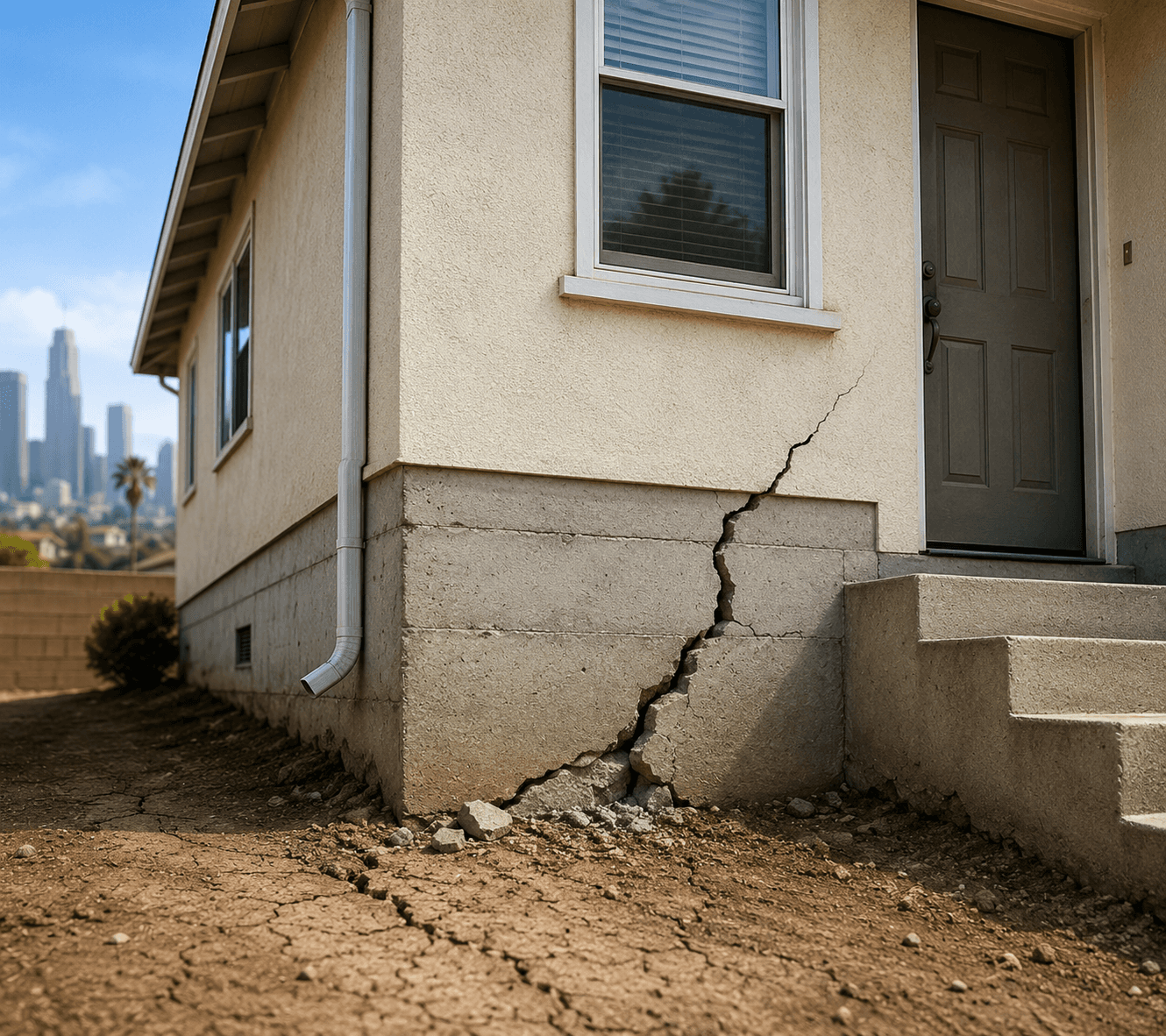
Why Foundation Repair Cost Varies So Much
One of the most common questions homeowners ask is about foundation repair cost, and the honest answer is: it depends heavily on the type and severity of the damage. Minor crack sealing might be a relatively small expense, while significant slab jacking, underpinning, or full foundation replacement can run into the tens of thousands of dollars. Soil conditions, the size of the home, and how long the problem went unaddressed before repair all factor into the final number.
This is why getting an inspection early - before small cracks turn into structural shifts - tends to save homeowners a significant amount of money over time.
Why Hiring Local Experience Matters
Not every foundation issue looks the same from state to state, or even neighborhood to neighborhood within LA. A company specializing in foundation Los Angeles homeowners can trust will understand exactly how local soil composition, drainage patterns, and seismic history affect a specific property. That local knowledge often makes the difference between a repair that lasts decades and one that needs to be redone within a few years.
Reputable home foundation contractors in the region typically start with a full inspection - checking crawl spaces, grading, drainage systems, and crack patterns - before recommending any repair method. This diagnostic step matters more in LA than in most other markets, simply because so many different stress factors are working on a foundation at once.
Final Thoughts
Foundation problems in Los Angeles rarely happen overnight - they build slowly through soil movement, seasonal moisture shifts, and years of minor seismic activity. Catching the early warning signs and acting on them quickly is what separates a manageable repair from a major, expensive one.
If you're noticing cracks, uneven floors, or sticking doors in your home, don't wait for the problem to grow. Snow Construction specializes in identifying and repairing foundation issues specific to Los Angeles homes, with the local experience to know exactly what your foundation needs - and how to fix it right the first time.
Frequently Asked Questions
What causes most foundation problems in Los Angeles?
Most foundation problems in Los Angeles are caused by expansive clay soil that swells and shrinks with seasonal moisture changes, combined with minor seismic activity that gradually stresses the structure over time.
How do I know if my home has a foundation problem?
Common warning signs include cracked walls or slabs, sloping floors, doors and windows that stick, and visible gaps where walls meet ceilings or floors.
How much does foundation repair typically cost?
Foundation repair cost depends on the extent of the damage, ranging from a few hundred dollars for minor crack sealing to tens of thousands for major structural underpinning or slab replacement.
Can foundation problems be prevented?
Proper drainage, controlled irrigation near the foundation, and keeping large trees a safe distance from the home can significantly reduce the risk of foundation movement over time.
When should I call a foundation contractor?
Any time you notice new or widening cracks, doors that suddenly stick, or floors that feel uneven, it's worth having a foundation contractor inspect the property before the issue worsens.