If you own a home in Los Angeles, you've probably noticed something: your neighbors are building in their backyards. A small cottage here, a unit above a garage there. It's not just a trend. It's homeowners figuring out one of the best ways to earn extra income and add real value to their property.
An accessory dwelling unit los angeles gives you options. Rent it out and cover a chunk of your mortgage. Move a parent in and keep family close without anyone losing their privacy. Or just hold onto it as an investment that grows with the LA market.
The city has also loosened the rules significantly over the past few years. Permits move faster. Zoning restrictions have eased. There's never been a better time to build.
Here's exactly how to do it.
What Is an Accessory Dwelling Unit?
Think of an ADU as a second, smaller home that shares your lot. It has its own front door, its own kitchen, its own bathroom. It's completely self-contained, just on a smaller scale.
In Los Angeles, you'll typically see four types:
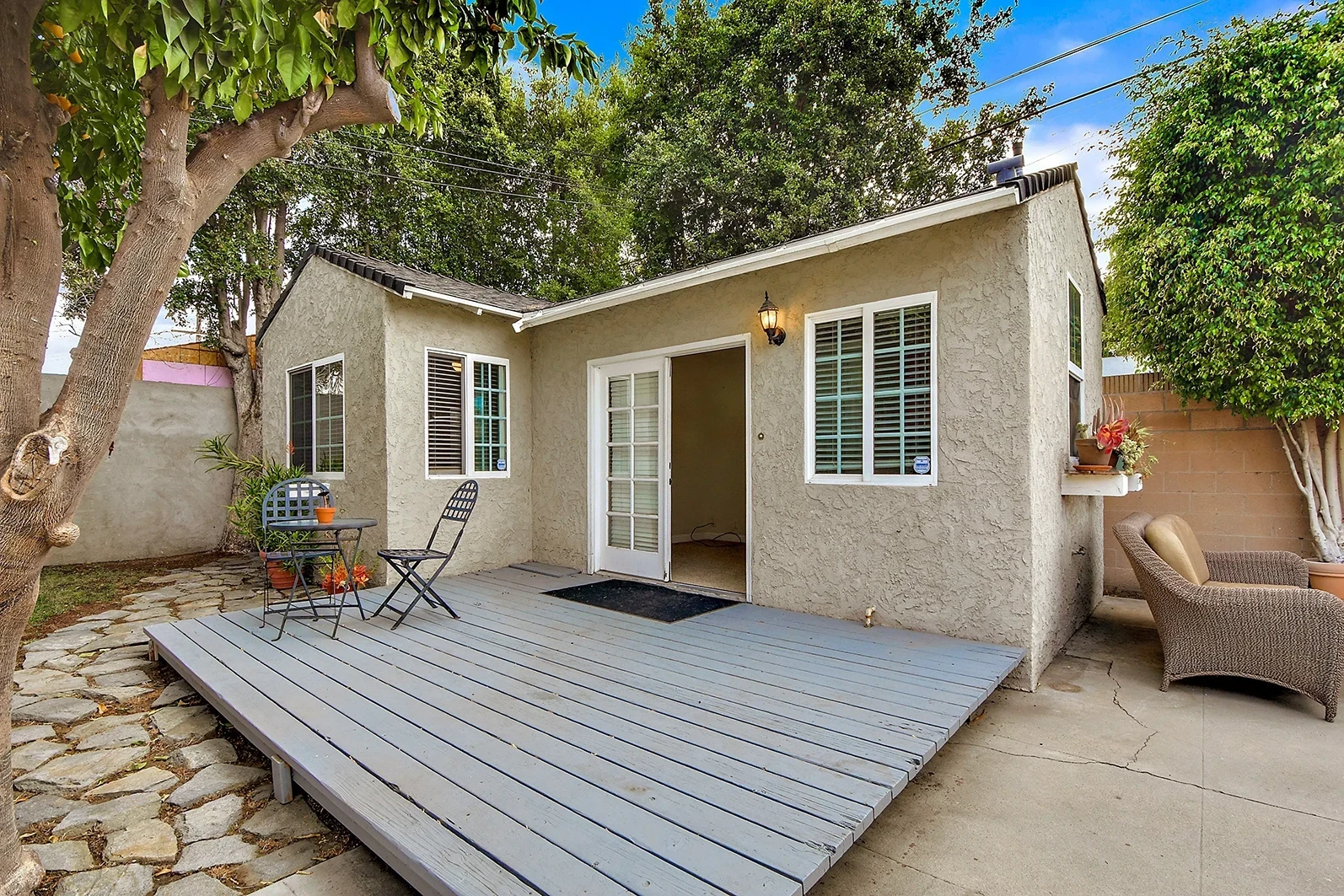
Detached ADUs: A standalone structure in your backyard, fully separate from the main house
Attached ADUs: Built onto the side or rear of your existing home, sharing one wall
Garage conversions: Turning an existing garage into a livable, permitted unit
ADU above garage: Adding a second story on top of your garage to create a new living space
Each option works differently depending on what your lot looks like and what you're trying to accomplish.

Step 1: Check Your Property Eligibility
This is always the starting point. You want to know what you're working with before you start calling architects or pulling numbers together.
Good news first: California state law now allows ADUs on most residential lots, regardless of lot size. Los Angeles follows that lead, so most single-family and multi-family properties in the city qualify.
That said, you still need to check a few things:
Zoning: Confirm your property's zone with the LA Department of Building and Safety (LADBS). Most residential zones are fine, but it takes two minutes to verify.
Setbacks: For detached ADUs, you generally need at least four feet of clearance from rear and side property lines.
Height limits: Most detached ADUs cap out at 16 feet. An ADU above a garage may be permitted up to 25 feet depending on the project.
Existing structures: If your garage or main home has any unpermitted work, you'll want to resolve that before applying.
Pull up the LADBS website, search your address, and look at your property profile. Or better yet, have a local contractor or architect do a quick site review. It usually doesn't cost much and saves a lot of guessing.
Step 2: Decide on the Right ADU Design
Once you know your property qualifies, the next question is what kind of ADU actually makes sense for your situation.
A detached ADU in the backyard gives you and your tenant the most breathing room. There's a clear separation between the two homes. If you're renting to a stranger, that distance matters. If you have a decent-sized yard and want to maximize rental income potential, this is usually the best bet.
An attached ADU is a more affordable option if your lot doesn't have a lot of open space. You're building onto the existing structure, which cuts down on foundation and framing costs. These work really well for multigenerational households where family members want to be nearby but still have their own space.
A garage conversion is often the most budget-friendly route. The shell is already there. You're mostly adding insulation, windows, proper electrical, and plumbing. In older LA neighborhoods where garages go unused, this is a quick way to add a permitted unit without starting from scratch.
ADU above garage Los Angeles projects have taken off because they make the most of a structure you already have. You keep your parking and yard, and you add a full living unit on top. These do require a structural engineer to confirm the existing garage can carry the extra load, but they're very doable in most cases.
Step 3: Create a Budget and Financing Plan
Let's talk numbers, because this is where a lot of homeowners get surprised.
Here's a realistic range for what different ADU types cost in Los Angeles right now:
Garage conversion: $80,000 to $150,000
Attached ADU: $120,000 to $250,000
Detached ADU: $150,000 to $350,000+
ADU above garage: $200,000 to $400,000+
Permit and plan check fees: $10,000 to $20,000
Utility connections (gas, water, sewer): $5,000 to $30,000
These ranges exist because no two projects are the same. A straightforward garage conversion in Van Nuys costs less than a detached ADU with custom finishes in Silver Lake. Your site conditions, soil type, and access to existing utilities all factor in.
For financing, most homeowners use one of these three routes:
Home equity loan or HELOC: If you've built up equity, this is often the simplest path. You borrow against what your home is already worth.
Cash-out refinance: This works well if your current mortgage rate is close to what you'd get on a new loan. You refinance for more than you owe and use the difference to fund construction.
Construction loan: More complex but sometimes necessary for larger projects. You draw funds in stages as construction progresses.
Los Angeles also has ADU financing programs through the LA County Development Authority aimed at helping homeowners who want to offer below-market rents. Worth looking into if that aligns with your goals.
Whatever route you take, add 10 to 15 percent to your budget as a cushion. Something always comes up during construction.
Step 4: Design and Planning
Here's where things get exciting. You're starting to see what this unit will actually look like.
Work with an architect or ADU designer who has experience in Los Angeles specifically. LA has its own quirks: Title 24 energy requirements, fire-hardening rules in hillside areas, neighbor notification requirements, and specific LADBS plan check preferences. Someone who works here regularly will know all of this without you having to teach them.
A few design principles that make a real difference in ADUs:
Keep the layout open. Smaller spaces feel bigger when you're not chopping them up with unnecessary walls. A combined living, dining, and kitchen area reads much more spacious than three separate rooms.
Bring in natural light. Skylights, larger windows, and glass doors don't cost a fortune but dramatically change how a small unit feels to live in.
Design a separate entrance. Even in an attached ADU, a private front door makes the unit feel independent. Renters care about this. Future buyers will care about this too.
Don't forget storage. Built-in shelving, under-stair storage, and smart cabinet layouts make small spaces livable long-term.
Your designer should also run a preliminary review with LADBS before final plans are submitted. This step can save you weeks by catching issues early rather than during formal plan check.
Step 5: Obtain Permits
This is the step most people dread, but it's manageable if you know what to expect.
For a standard ADU in Los Angeles, you'll need:
Building permit
Electrical permit
Plumbing permit
Mechanical permit
You submit plans through LADBS, either online using their ePlan portal or in person at a local Development Services Center. Plan check times vary. Standard review can take two to four months. If your ADU is under 800 square feet, you may qualify for expedited review, which moves faster.
Los Angeles has also pre-approved a library of standard ADU plans. If your project fits one of those designs, you can skip a lot of the plan check process entirely and get to construction much faster.
One thing worth saying clearly: don't build without permits. Unpermitted ADUs cause real problems when you sell the property. They can trigger fines, and in some cases, you'll be required to tear the unit down. The permit process exists for a reason, and following it protects your investment.
Step 6: Begin Construction
With permits in hand, you're ready to build. Here's the general order of operations:
Site prep: Clearing, grading, and setting up construction access
Foundation: A concrete slab or raised foundation is poured depending on design
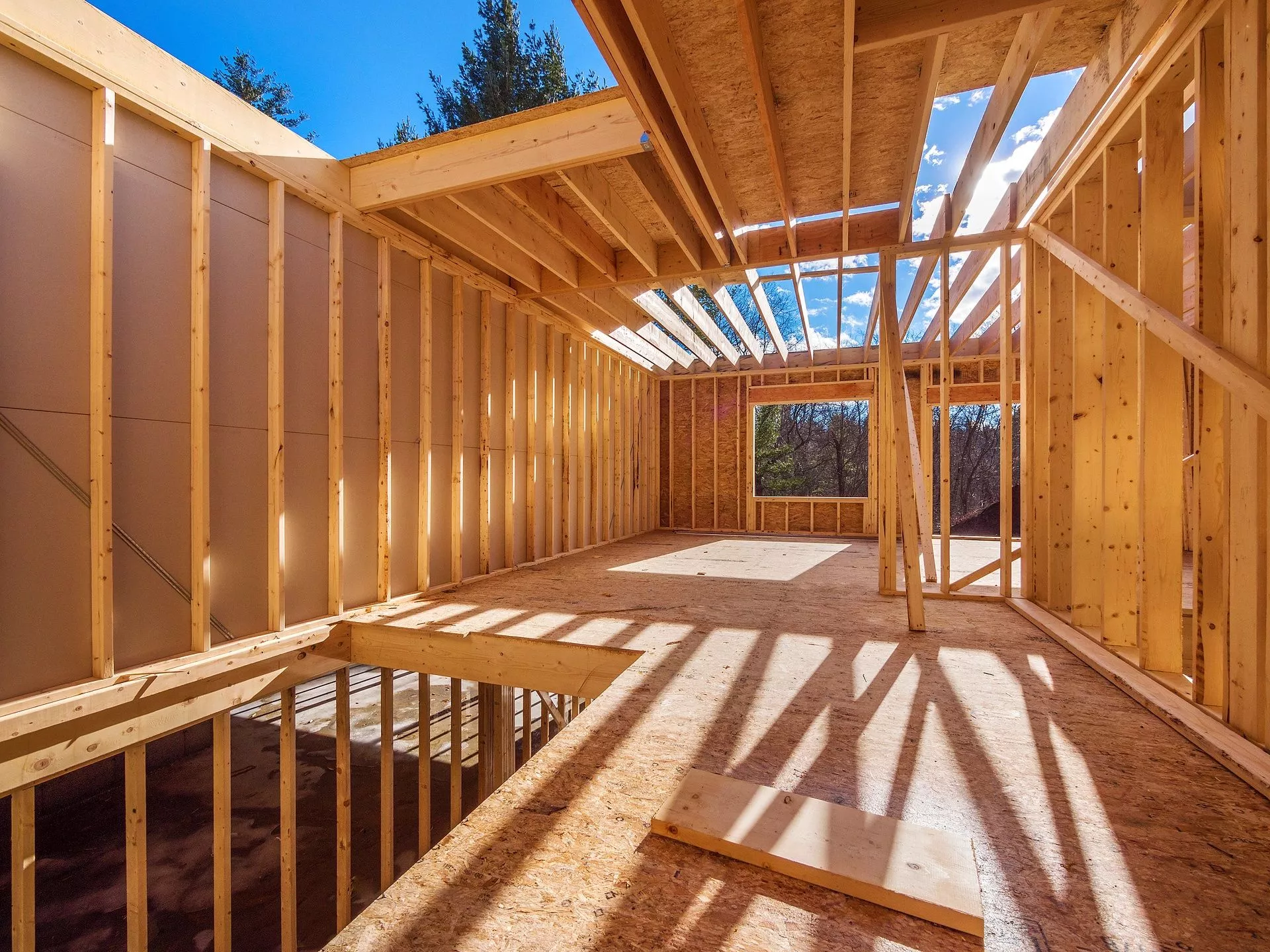
Framing: The structure takes shape with wood or light steel framing
Rough-in utilities: Plumbing, electrical, and HVAC lines go in before walls are closed
Insulation and drywall: The space gets sealed up and drywalled
Interior finishes: Flooring, cabinets, fixtures, trim, and paint
Exterior finishes: Stucco, siding, roofing, and any landscaping around the unit
For an ADU above garage project, add structural reinforcement of the existing garage as the first step before framing begins.
Most ADU projects take four to twelve months to build once permits are approved. Larger or more complex projects sit toward the higher end. Your contractor should give you a realistic timeline upfront and communicate clearly if anything changes.
Step 7: Final Inspection and Move-In
You're in the home stretch. Before anyone moves in, your ADU has to pass a final inspection by LADBS.
An inspector will walk the unit and confirm everything was built according to your approved plans and meets current building code. This includes electrical, plumbing, structural elements, and fire safety features.
If everything checks out, you'll receive a Certificate of Occupancy. That document is your proof that the unit is legally habitable. File it somewhere safe. You'll need it when you rent the unit or list the property for sale.
After that, you're done. Turn the key, hand it over, and start collecting the benefits of what you built.
Benefits of Building an ADU in Los Angeles
People build ADUs for different reasons, but the advantages tend to stack up quickly once the unit is finished.
Rental income that makes a real difference: Depending on the neighborhood and size, an ADU in LA can rent for anywhere from $1,500 to $3,500 per month. In higher-demand areas like the Westside, Echo Park, or Pasadena, even a modest unit commands strong rent. That monthly income changes the math on your mortgage fast.
A meaningful bump in property value: Permitted ADUs add measurable value to LA homes. A rentable unit on your property makes it more appealing to buyers and appraisers alike.
Family under the same roof, with space to breathe: ADU granny flats have become a genuine solution for families stretched across generations. An elderly parent can live independently while staying close. A college graduate can transition out of the main house on their own timeline.
Housing that reflects how LA actually lives: Demand for adu granny flats and smaller rental units keeps growing as the city's housing supply stays tight. Building one puts you on the right side of that equation.
Conclusion
Building an accessory dwelling unit in Los Angeles isn't a quick project, but it's one of the most worthwhile things you can do with your property. You get income, flexibility, increased value, and a real contribution to a city that desperately needs more housing options.
Start by checking your eligibility, get clear on your budget, and find a team that knows how to build in LA.
Snow Construction is a trusted Los Angeles construction company that helps homeowners plan, design, and build high-quality ADUs from the ground up. Whether you're looking at a garage conversion, a detached backyard unit, or an ADU above garage Los Angeles project, their team brings the local knowledge and hands-on experience to get it done right. Reach out to Snow Construction when you're ready to take the first real step.
Frequently Asked Questions
How much does an accessory dwelling unit cost in Los Angeles?
In Los Angeles, ADU costs typically range from $80,000 for a basic garage conversion to over $350,000 for a detached unit. Permit fees and utility connections add $15,000 to $50,000 more.
How long does it take to build an ADU in Los Angeles?
Most ADU projects in LA take 12 to 18 months from design to move-in. Permitting alone takes two to six months, with construction running four to twelve months after approval.
Can I build an ADU above my garage in Los Angeles?
Yes. ADU above garage Los Angeles projects are fully permitted and growing in popularity. Your garage may need structural reinforcement, and standard height and setback rules will apply.
Are ADU granny flats allowed in Los Angeles?
Yes, ADU granny flats are legal and encouraged throughout Los Angeles. State and local laws have made them easier to permit, and both detached and attached configurations are allowed on most residential lots.
Does an ADU increase property value?
Yes. LA properties with permitted ADUs consistently sell for more than comparable homes without them. The added rental income potential makes the property more attractive to buyers and appraisers.