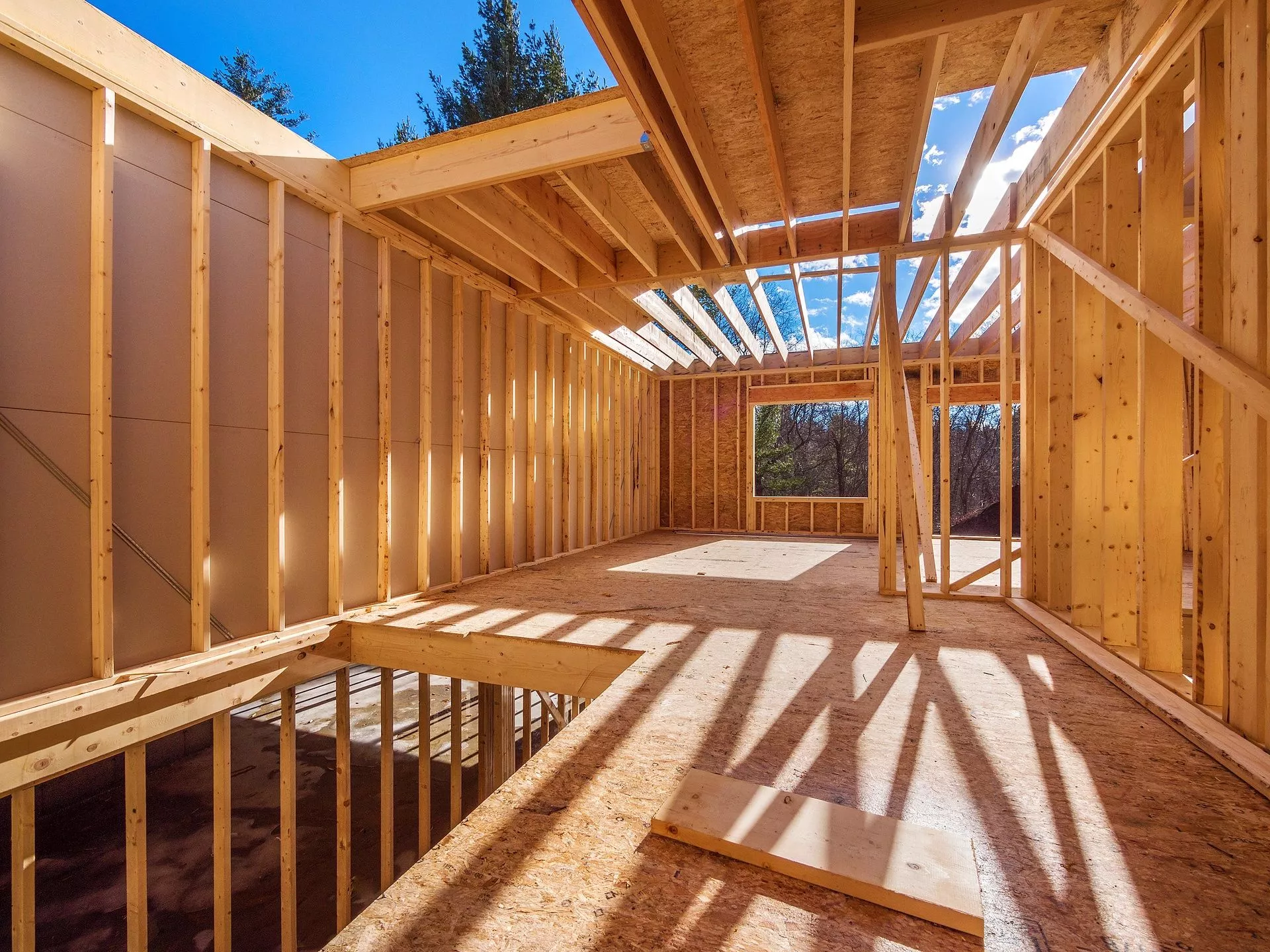
A professional framing contractor is a licensed specialist who builds the structural skeleton of a home - the walls, floors, and roof trusses that everything else depends on. Hiring one matters because framing mistakes are expensive to fix later and can compromise the safety of the entire structure.
That's the short answer. But if you're planning a new build, an addition, or a major renovation, there's a lot more worth understanding before you pick who swings the hammer on your home frame.

What Does a Framing Contractor Actually Do?
Framing is the stage of construction where a house stops being lines on a blueprint and starts becoming a physical structure you can walk through. A framing contractor measures, cuts, and assembles the lumber (or steel, in some cases) that forms the load-bearing walls, floor systems, and roof structure.
This isn't a job for guesswork. Every stud, header, and truss must be placed correctly to carry weight, resist wind and seismic forces, and align with the plumbing, electrical, and HVAC systems that come later. Get framing wrong, and you're not just looking at crooked walls - you're looking at doors that won't close, floors that sag, and in worst cases, real structural risk.
Why Hiring a Professional Matters More Than People Think
A lot of homeowners assume framing is "just carpentry." It isn't. Framing sits at the intersection of engineering, building code compliance, and hands-on craftsmanship. Here's what a qualified professional brings to the table that a general handyman or DIY crew usually can't.
Structural accuracy. A trained eye catches small errors before they become expensive problems - an out-of-square wall, an undersized header, a missed shear point.
Code compliance. Local building departments inspect framing before it gets covered by drywall. A contractor who knows the code avoids failed inspections, delays, and rework.
Speed without shortcuts. Experienced crews frame efficiently because they've done it hundreds of times, not because they're cutting corners.
Long-term durability. A well-framed home has been in shape for decades. A poorly framed one shows problems within a few years - a cracked drywall, sticking doors, uneven floors.
If you're working with any of the house framing contractors in your area, ask to see completed projects and talk to past clients. Experience shows up in the details.
Why Location-Specific Experience Matters (Especially in LA)
Framing isn't one-size-fits-all across the country, and this is where local expertise really counts. framing los angeles, projects come with their own set of considerations - seismic building codes, soil conditions, fire-resistant material requirements, and the sheer density of older homes that need retrofitting alongside new construction.
A framing crew that's worked extensively in the region understands how to design for earthquake resilience, how to navigate LA's permitting process, and how to work efficiently within the tighter lot sizes common across the city. That local knowledge isn't something you can learn from a manual - it comes from years of hands-on work in the same terrain and climate.
Framing Contractor vs. General Contractor: What's the Difference?
This is a question that trips up a lot of homeowners, so it's worth clarifying.
A framing contractor specializes specifically in the structural frame - walls, floors, roof systems. A general contractor in Los Angeles, on the other hand, oversees the entire project from start to finish permits, scheduling, subcontractors, inspections, and every trade involved; framing included.
For a full home build or major renovation, you'll typically work with a general contractor who either has an in-house framing crew or brings in a specialized framing team as a subcontractor. For smaller, framing-specific jobs - like reframing a wall for a remodel - you might hire a framing specialist directly.
Either way, the person managing the project should be someone with a proven track record. A trusted general contractor won't just hand the job to the cheapest crew available; they'll vet their framing team the same way they'd want to be vetted themselves.
What to Look for Before You Hire
A few practical things to check before signing on with anyone:
Licensing and insurance. Never skip this. Framing involves real structural risk, and an uninsured crew leaves you exposed if something goes wrong.
References and past work. Ask to see homes they've framed, not just renderings or promises.
Clear timelines and written estimates. Vague verbal quotes are a red flag.
Familiarity with local code. Especially important in seismic zones or areas with strict fire codes.
Final Thoughts
The framing stage sets the tone for everything that follows in a home build - literally and structurally. Cutting corners here rarely saves money in the long run; it just moves the cost further down the road, usually with interest. Whether you're building new, adding on, or reinforcing an older home, the difference between an average frame and a great one comes down to who you hire.
That's exactly the standard we hold ourselves to at Snow Construction - building frames that are code-compliant, structurally sound, and built to last.
Frequently Asked Questions
How long does framing typically take for a single-family home?
Most standard single-family homes take one to two weeks to frame, depending on size and complexity, once the foundation is ready.
Do I need a permit for framing work?
Yes. Framing almost always requires a permit and a structural inspection before the walls can be closed up with insulation and drywall.
Can a general contractor handle framing themselves?
Some general contractors have in-house framing crews, while others subcontract to specialized framing teams. Either approach works, as long as the crew is licensed and experienced.
Is framing more expensive in earthquake-prone areas?
Slightly, yes - seismic reinforcement, shear walls, and additional connectors add material and labor costs, but they're essential for long-term safety in regions like Los Angeles.