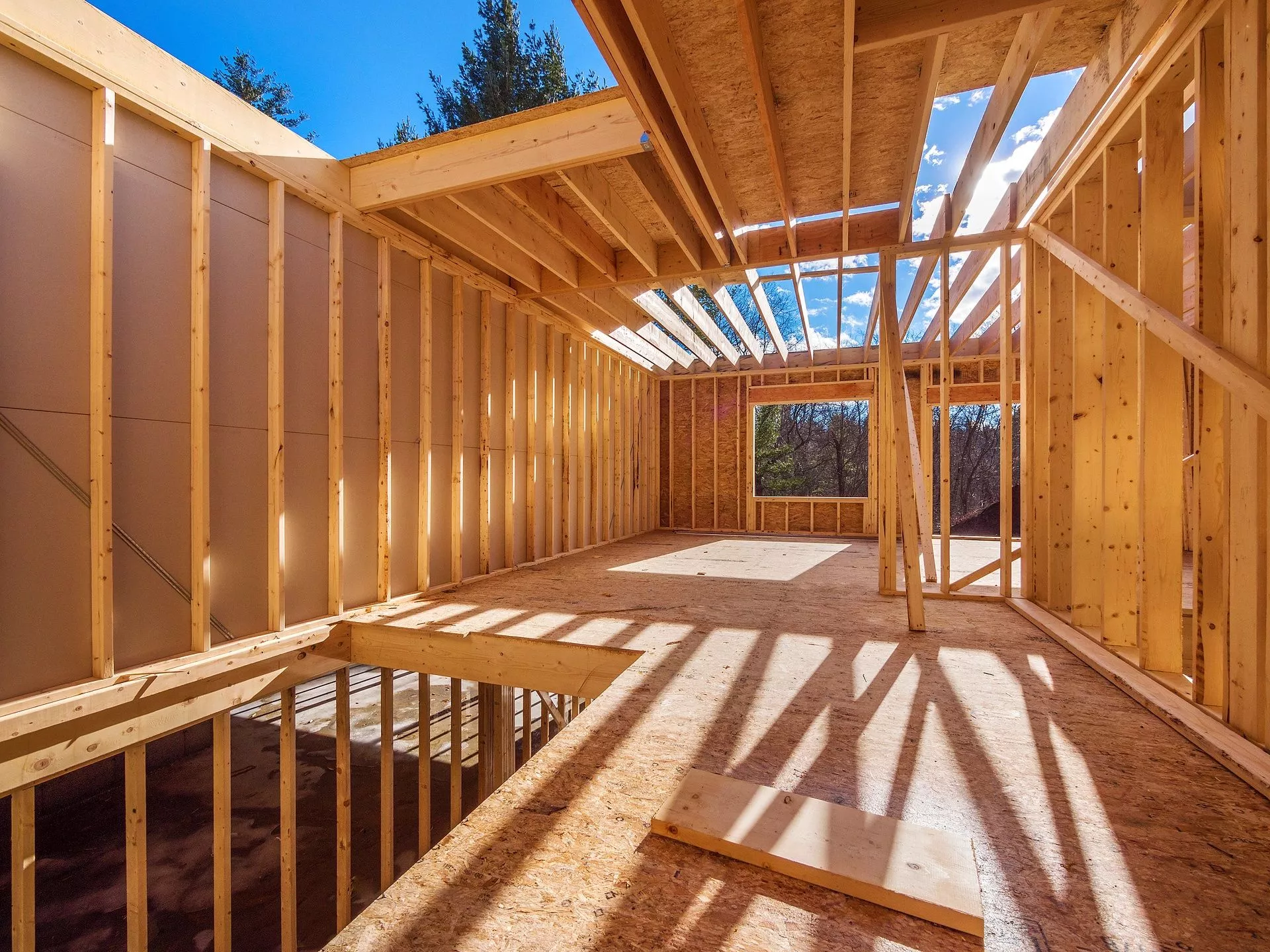
Foundation problems rarely announce themselves until a door stops closing or a crack splits open overnight. This guide breaks down what actually causes foundation damage, how a contractor diagnoses it, and which repair methods hold up over time, so homeowners know what to expect before they sign a contract.
A hairline crack in drywall usually means nothing. A crack that keeps widening, a door that suddenly sticks in its frame, or a floor that's noticeably out of level is a different story. That's the point where most homeowners start Googling "foundation contractor near me" at 11 p.m., trying to figure out whether they're looking at a cosmetic fix or a five-figure structural repair.
The honest answer: it depends on what's happening underneath the house, not just what you can see on the surface. This guide walks through how to actually diagnoses cracks and settlement, which repair methods are used and why, and what separates a trusted general contractor from someone who's going to patch the symptom and leave the cause untouched.
What Causes Foundation Cracks and Settlement in the First Place
Foundations move because soil moves. That's true almost everywhere, but it's especially true in Southern California, where expansive clay soil swells when it's wet and shrinks when it dries out. That constant expansion and contraction puts uneven pressure on a slab or footing, and
over the years
A few of the most common culprits:
Soil expansion and contraction from seasonal moisture changes
Poor original compaction of the soil before the foundation was poured
Plumbing leaks that saturate soil under or beside the slab
Tree roots drawing moisture unevenly from the ground
Drainage issues that direct water toward the foundation instead of away from it
Seismic activity, which can create sudden stress even in a well-built foundation
None of these causes are visible from the curb. That's why guessing at a fix based on the crack alone almost always backfires.

How a Contractor Diagnoses the Real Problem
A proper inspection starts before anyone touches a foundation. A qualified contractor typically checks:
Crack width, direction, and pattern horizontal cracks and stair-step cracks in masonry mean different things than vertical hairline cracks
Interior signs like sticking doors, gaps around window frames, or sloping floors
Exterior grading and drainage around the perimeter
Elevation readings across the slab, often using a laser level or zip level to map how much and where the foundation has settled
Soil conditions, sometimes pulling in a geotechnical engineer for larger jobs
This step matters more than most homeowners realize. Two homes with an identical-looking crack can need completely different repairs, because the underlying cause isn't the same. A contractor who skips straight to a quote without this kind of assessment is one to be cautious of.
Repair Methods a Foundation Contractor Actually Uses
Once the diagnosis is clear, the repair method follows the cause, not the other way around. Here's what shows up most often on real job sites.
Epoxy and Polyurethane Crack Injection
For cracks that aren't actively moving and aren't tied to major settlement, injecting epoxy or polyurethane resin seals the crack and restores strength to the concrete. Polyurethane is flexible and often used where some minor movement is expected; epoxy creates a rigid, load-bearing bond. This is typically the least invasive and least expensive option.
Piering and Underpinning
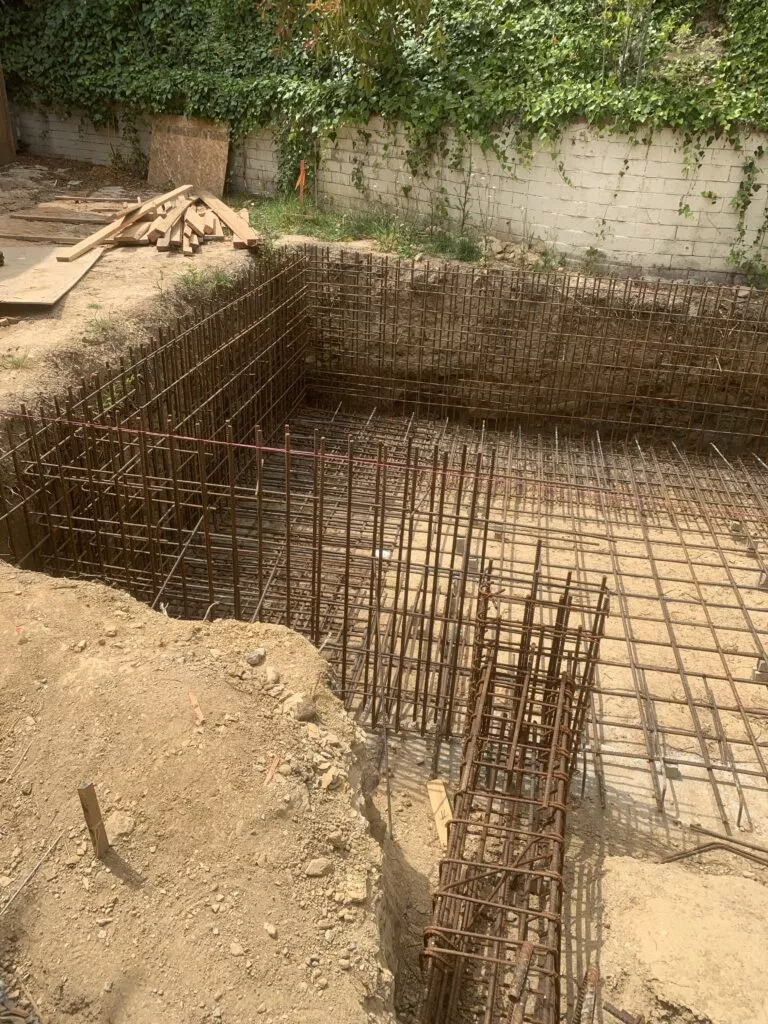
When a section of the foundation has settled because the soil beneath it can no longer support the load, contractors drive steel push piers or helical piers down to stable soil or bedrock, then transfer the weight of the structure onto those piers. This is standard practice for real settlement, not just surface cracking, and it's one of the more involved repairs a foundation contractor performs.
Slab Jacking and Mudjacking
For sunken concrete slabs — patios, driveways, or sections of a foundation slab — a contractor can pump a grout or polyurethane foam mixture underneath to lift the slab back toward its original position. It's faster and less disruptive than full replacement, though it works best when the underlying soil issue has also been addressed.
Wall Anchors and Carbon Fiber Reinforcement
Bowing basement or foundation walls, common where soil pressure builds up against a retaining wall, are often stabilized with steel wall anchors that pull the wall back into place over time, or with carbon fiber straps that reinforce the wall against further bowing without major excavation.
When Foundation Damage Signals a Bigger Structural Issue
Not every crack needs piers or anchors. But a few warning signs usually mean the damage has moved past a simple patch job:
Cracks wider than a quarter inch, or ones that keep growing
Multiple doors and windows that stick at the same time
Visible separation between the foundation and exterior walls
Floors that slope noticeably when you set a ball on them
Cracks that run diagonally across a wall or ceiling in a stair-step pattern
If any of these show up, it's worth bringing in a licensed structural engineer alongside your contractor before repairs begin. A trusted general contractor won't push back on that they'll usually recommend it themselves, because a solid engineering report protects both the homeowner and the crew doing the work.
Why Los Angeles Homes Face Unique Foundation Challenges
Foundation work in Los Angeles isn't the same as foundation work in a state with stable, sandy soil. Between expansive clay in many neighborhoods, hillside construction, seismic building codes, and older housing stock built before modern soil standards, foundation Los Angeles projects tend to require more careful engineering than a typical repair elsewhere in the country.
That's also why foundation work rarely happens in isolation here. It often overlaps with broader construction service needs drainage correction, retaining wall repair, or even partial reconstruction which is where hiring within the world of Los Angeles construction as a coordinated project, rather than a single isolated repair, tends to produce better long-term results.
Choosing a Trusted General Contractor for Foundation Work
Foundation repair sits at the intersection of two different worlds: structural engineering and general construction. That's why the right hire often isn't just a specialist crew, but a trusted general contractor who can manage the foundation repair itself and coordinate everything connected to it — permits, drainage, landscaping disruption, and any interior repairs the settlement caused.
A few things worth confirming before signing anything:
Active state contractor's license and proof of liability insurance
A written inspection report explaining the cause, not just the fix
A clear scope of work and warranty terms in writing
References from similar jobs, ideally residential contractor work in your area
Local experience general contractors in Los Angeles who understand seismic retrofit codes and clay soil behavior will spot issues an out-of-area crew might miss
This is where the gap between an average crew and a trusted general contractor really shows up. Anyone can pour epoxy into a crack. Fewer contractors will tell you honestly when a crack doesn't need piers at all or flag a drainage problem that will undo the repair within two years if it's left alone.
When you're comparing quotes, the cheapest bid and the most trusted general contractor bid are rarely the same one and that gap is usually explained by what's included in the scope, not by markup.
What to Expect During the Repair Process
Every project moves through roughly the same stages, even though the scale changes a lot between a single crack injection and a full underpinning job:
Initial inspection and written assessment
Permitting, if the repair involves structural work (most piering and underpinning jobs require this)
Site prep, which can include excavation around the foundation perimeter
The repair itself injection, piering, slab lifting, or wall reinforcement
Site restoration, including landscaping and any concrete or stucco patching
Final walkthrough and warranty documentation
Timelines and costs vary widely depending on the cause, the extent of settlement, and access to the affected area, so it's worth asking any residential contractor for a written estimate that breaks down labor, materials, and permit costs separately rather than one lump figure.
Final Thoughts
Foundation cracks are a symptom, not the actual problem. The soil, drainage, and structural conditions underneath the house are what determine whether a repair lasts five years or twenty. That's the real value a los angeles construction brings to the table: reading the cause correctly before recommending a fix.
If you're noticing cracks, sticking doors, or uneven floors, don't wait for it to get more obvious. Get a written inspection from a licensed, trusted general contractor before the damage or the repair cost grows.
FAQs
Is a small foundation crack always a serious problem?
Not necessarily. Hairline vertical cracks under about 1/16 inch are common as concrete cures and often don't indicate structural trouble. Cracks that are wide, growing, horizontal, or stair-stepped are the ones worth having a foundation contractor inspect.
How much does foundation repair typically cost?
Cost depends heavily on the cause and method, a single crack injection is far less expensive than piering an entire foundation corner. Get a written, itemized estimate rather than relying on a general price range, since site conditions vary a lot even within the same neighborhood.
Can I fix a foundation crack myself?
DIY crack sealant kits can slow water intrusion temporarily, but they don't address the underlying soil or settlement issue. If the crack is tied to ongoing movement, a DIY patch usually fails within a year or two.
How long does foundation repair take?
A simple injection repair can often be done in a day. Piering or underpinning projects, especially those requiring permits and excavation, can take one to several weeks depending on scope and how many pier points are needed.
Will foundation repair fix my sticking doors and sloped floors?
Often, yes, once the underlying settlement is corrected. But some cosmetic effects, like drywall cracks or slightly uneven trim, may need separate finish repairs after the structural fix is complete.
Do I need a permit for foundation repair in Los Angeles?
Most structural repairs, including piering and underpinning, require a permit from the local building department. A trusted general contractor should handle this as part of the project rather than leaving it to the homeowner.
How do I know if I need a foundation specialist or a general contractor?
For an isolated crack repair, a foundation specialist alone may be enough. If the project involves drainage correction, landscaping, or interior repairs tied to the settlement, a general contractor in Los Angeles who can coordinate all of it usually saves time and prevents work from falling through the cracks.