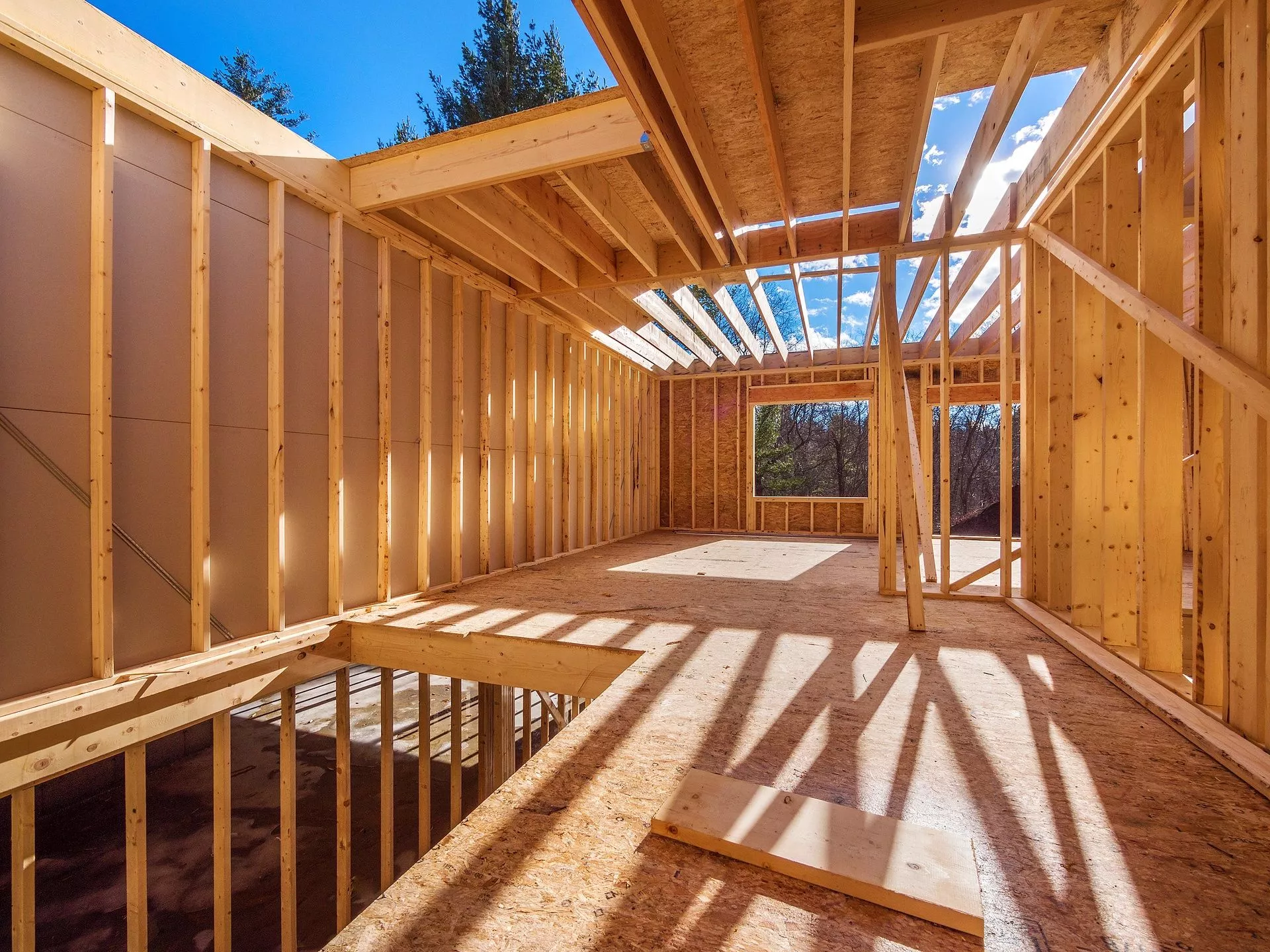
Choosing the right wood framing contractors comes down to checking their licensing, insurance, real project experience, and past work before you sign anything. This one hire shapes how solid, safe, and level your home turns out - so it deserves more attention than most people give it.
I've talked to enough homeowners to know how this usually goes. People spend weeks picking out cabinet finishes and paint colors, then rush the framing decision because it feels "behind the scenes." But framing is the part nobody sees once the walls go up - and it's also the part that's hardest and most expensive to fix later. If the bones of the house are off, everything built on top of it inherits that problem.
So, before you hire anyone, here's what actually matters.

Licensing and Insurance Come First, No Exceptions
This isn't the exciting part of hiring a framing contractor but skip it and you're gambling with your entire project. Ask for their license number and verify it with your state or local licensing board - most have an online lookup tool that takes two minutes.
Insurance is just as non-negotiable. You want to see proof of general liability coverage and workers' comp. Framing crews are up on ladders, running power tools, moving heavy lumber all day. If someone gets hurt on your property and the contractor isn't insured, that liability can land on you. It's not a fun surprise to learn about after the fact.
Ask How Much Real Experience They Actually Have
There's a real difference between a framing contractor who's put together a handful of simple box-shaped homes and one who's handled complicated rooflines, vaulted ceilings, or multi-story additions. Both might call themselves experienced, so it's worth asking direct questions: How many years have they been doing this? How many homes have they framed that look like yours?
If your project has anything custom about it - an open floor plan, unusual angles, a steep roof pitch - you want a crew that's dealt with that before, not one that's figuring it out on your dime.
Actually Look at Their Work
Don't just take a contractor's word for it. Ask to see finished projects, and if you can walk through one in person, even better. Look at how straight the walls are, how tight the joints fit, whether things look rushed or careful.
Then call a few past clients. This step gets skipped constantly, and it shouldn't. A five-minute phone call can tell you things no portfolio photo ever will - did the crew show up when they said they would, did costs stay close to the quote, were they easy to reach when something came up. Solid house framing contractors won't hesitate to hand over a few names.
Get It in Writing, Every Time
A quote scribbled on the back of a business card isn't a quote - it's a guess. Ask for a written estimate that spells out labor, materials, timeline, and what happens if something unexpected comes up (because something usually does).
Get at least three estimates before deciding. And here's the thing - don't just chase the lowest number. A bid that's dramatically cheaper than the others are often cutting something you won't notice until later: lower-grade lumber, an inexperienced crew, corners cut somewhere you can't see. Compare what's actually included, not just the total at the bottom.
Pay Attention to How They Communicate
You'll find out a lot about a contractor before you ever hire them, just by paying attention to how they respond during the bidding process. Do they answer your questions clearly, or brush past them? Do they return calls in a reasonable time?
Framing delays have a way of pushing back everything after it - electrical, plumbing, drywall, all of it. A contractor who communicates well early on tends to keep that up once the job starts, which matters more than people expect until they're the ones waiting on a callback.
Make Sure They Know Your Local Codes
Wind loads, seismic requirements, structural minimums - these vary depending on where you live, and a good contractor should already know how they apply to your build. This shouldn't be something they're researching after you've hired them. It should already be baked into the plan and the estimate they hand you.
Final Thoughts
Hiring the right contractor for this stage isn't something to rush through in an afternoon. It's the part of your build that holds everything else up, quite literally. Take the time to check credentials, see real work, and pick up a team that answers your questions instead of dodging them.
At Snow Construction, this is the approach we've built our name on - proper licensing, honest estimates, and framing work meant to last. If you're planning a build and want to talk through what a solid framing plan looks like for your project, we're glad to walk through it with you.
Frequently Asked Questions
What should I check first before hiring a framing contractor?
License and insurance, before anything else. Everything else - pricing, portfolio, timeline - matters less if those two aren't in order.
How many quotes should I collect before choosing wood framing contractors?
Three is a good baseline. It gives you enough to spot a fair price and notice if one bid seems off, either too high or suspiciously low.
Should I just go with the cheapest quote? Not automatically.
A much lower price often means something being cut - materials, labor, or attention to detail. Weigh the full picture, not just the number.
How long does wood framing usually take on a typical home?
For most single-family homes, framing runs about one to three weeks, depending on size and how complex the design is.
Why does it matter if house framing contractors know local building codes?
Because codes affect structural safety requirements like wind and seismic resistance, and they're different everywhere. A contractor unfamiliar with your area codes risks mistakes that show up during inspection - or worse, after.