Creating a kitchen that actually works takes more thought than most people expect. It’s not just about looks. It’s about how you move, cook, clean, and live in the space every day.
When people design a kitchen from scratch—especially in a new home—they often think bigger is better. They spread everything out. The island gets pushed farther from the counters. The fridge ends up too far from the stove. While the kitchen may look open and spacious, it can make cooking harder than it needs to be. Walking long distances between tasks slows everything down.
You want you kitchen remodeling los angeles to feel open and welcoming, but not at the cost of efficiency. So, what’s the best way to plan it?

The Working Triangle
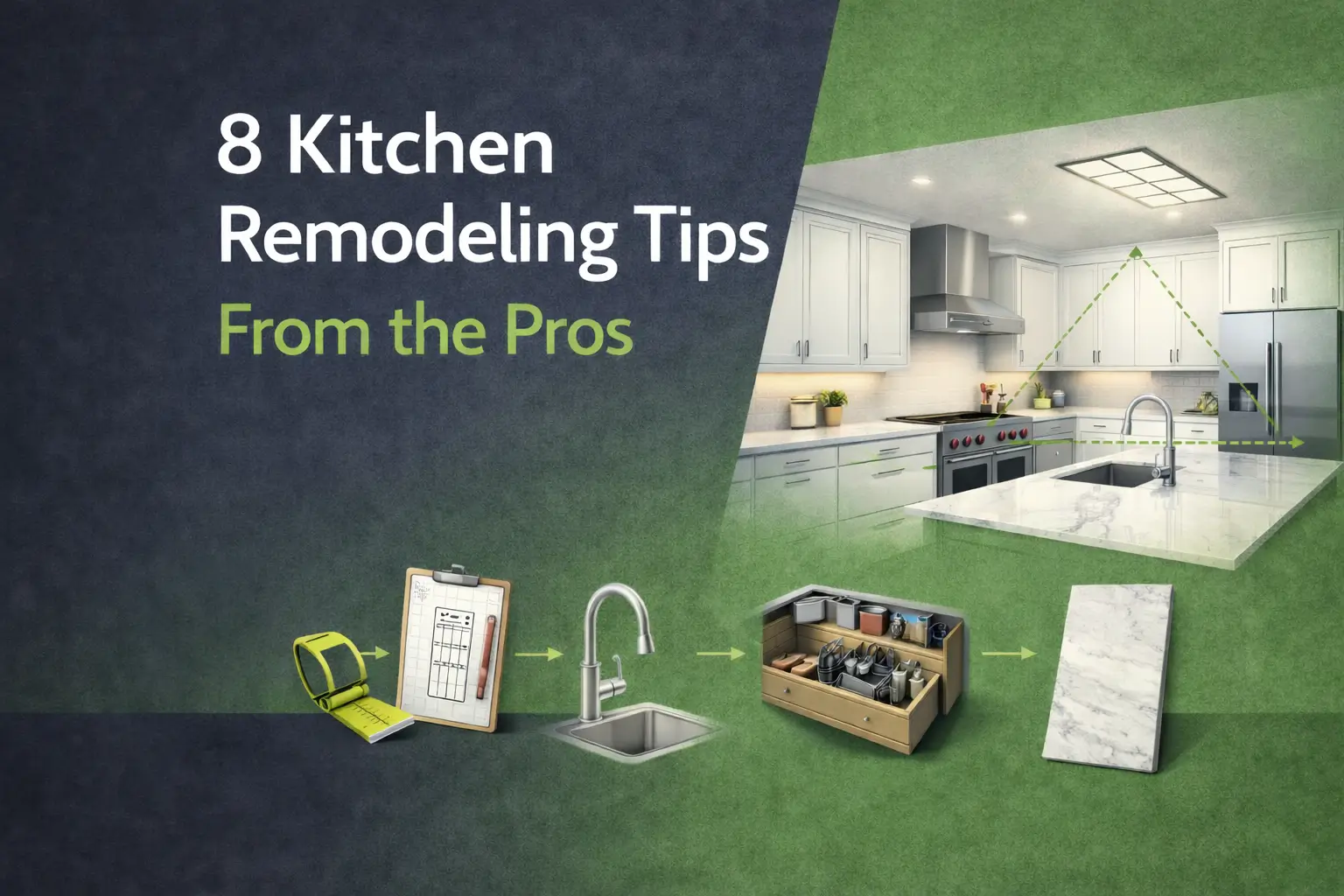
The sink, refrigerator, and range should form a working triangle. Ideally, these three points sit at roughly equal distances from each other. These are the areas you move between most while cooking, so keeping them close makes everyday tasks easier.
It’s also smart to think about where you’ll spend the most time. If you enjoy talking with guests while cooking, placing the range so it faces the living or dining area makes sense. If you spend more time at the sink, plan the triangle with that in mind. The layout should reflect how you use the kitchen.
Light Up Your Life
Lighting is one of the most important parts of a kitchen remodeling contractor. Many kitchens rely on recessed lighting, but surface-mounted fixtures arranged in a grid often provide even more light. Since the bulb sits below the ceiling, the light spreads better and feels less harsh.
Cabinets can block light from reaching your countertops, so under-cabinet lighting is essential. Make sure there’s a dedicated switch and power source, so your counters stay well-lit while you work.
Your Stove Is Your Statement Piece
Your stove is one of the most noticeable features in the kitchen. It’s also one of the most used. If you’re upgrading just one appliance, the stove is a great place to focus.
Stoves come in many styles and finishes, so you can choose one that fits your kitchen’s personality. A hood above the range improves ventilation and adds visual interest. It’s also important to leave counter space on both sides of the stove for prep work and tools.
Consider Your Countertops
Countertops should be about 24 to 25 inches deep, with a slight overhang. That way, spills drip onto the floor instead of the cabinet faces.
Function matters, but so does style. Solid surface countertops like Corian are easy to repair and have seamless joints that don’t trap food. Natural stone, especially marble, has a beauty that develops over time. Worn marble countertops in old kitchens show history and character that many people love.
Cabinet Positioning
Cabinets aren’t just storage. They shape how your kitchen looks and works.
Open kitchen cabinets installation feels lighter and more open. For lower cabinets, deep drawers are far more practical for pots and pans. You can pull everything out at once instead of reaching into the back of a cabinet.
Deep drawers also work well for trash and recycling, especially when placed near the sink.
Don’t Get Just Any Old Flooring
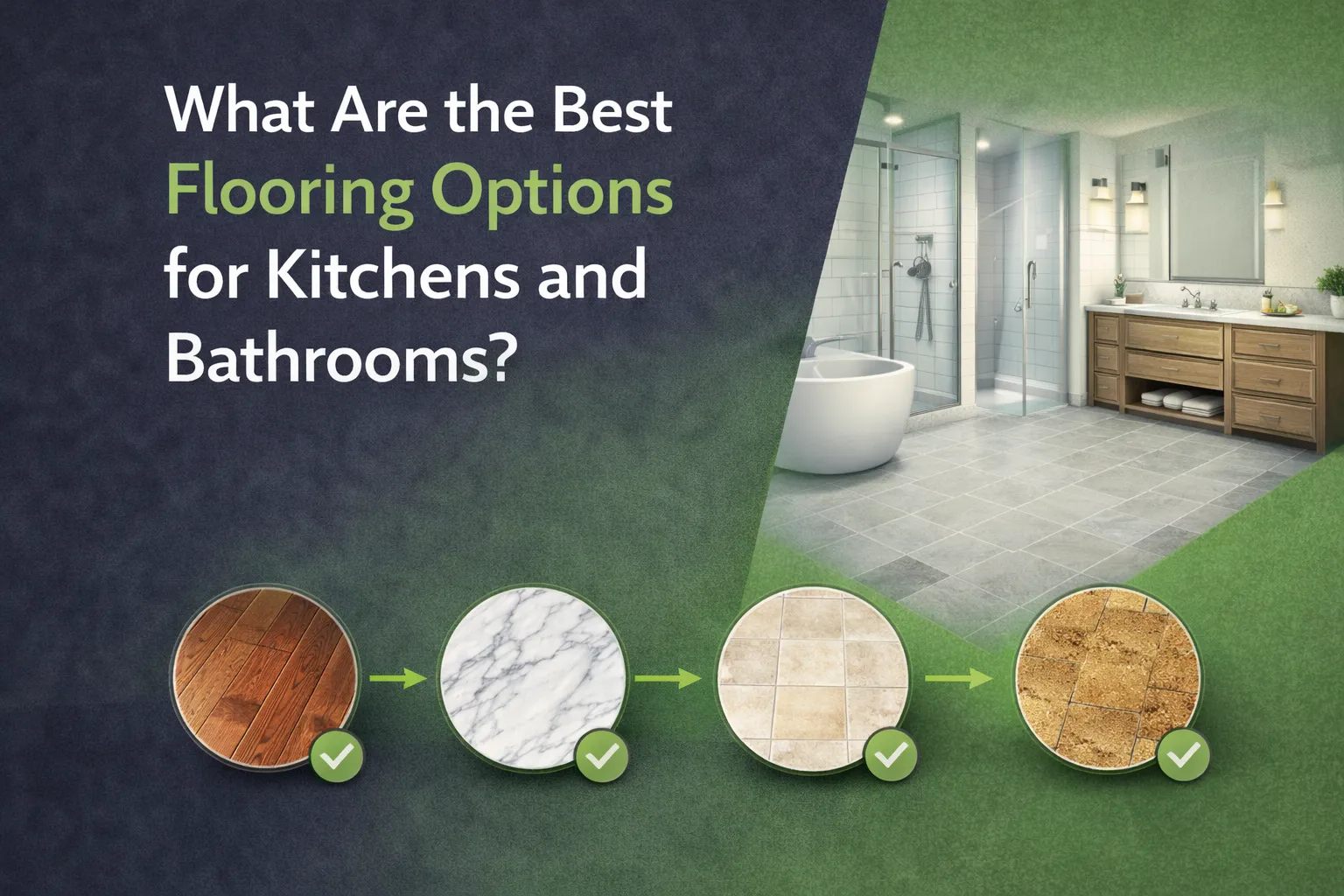
Stone floors are durable, but standing on them for long periods can be tough. Wood or cork flooring is easier on your feet, especially if you cook often.
Large tiles are another good option because fewer seams mean fewer places for crumbs to hide. Italian porcelain tiles are surprisingly affordable and very durable. If possible, adding radiant heat beneath tile flooring makes mornings much more comfortable.
Think About Sinks
A deep, wide sink is always a good choice. Just as important is the faucet. Separate hot and cold handles can be frustrating when your hands are full. A single-handle mixing faucet makes temperature changes quick and easy.
Dishwasher placement matters too. Most people prefer it on the right side of the sink, though left-handed users may want the opposite. Having counter space next to the sink helps when stacking dirty dishes or unloading clean ones.
It All Comes Down to Survival
What happens when your kitchen is out of commission during a remodel? With a coffee maker, basic dishes, and some patience, you’ll manage just fine. Morning coffee and takeout dinners can carry you through.
If surviving a kitchen renovation means good coffee and delivery of food, it’s a challenge worth taking on.
Frequently Asked Questions
1. Do I really need to follow the kitchen triangle rule?
You don’t have to follow it perfectly, but it’s a helpful guideline. The idea is to keep the sink, fridge, and stove close enough that you’re not constantly walking back and forth. If cooking feels smooth and not tiring, your layout is probably working.
2. Is recessed lighting bad for kitchens?
Not bad, just not always the best option on its own. Recessed lights can feel harsh and leave shadows on you countertops. Many people find that surface-mounted lights and under-cabinet lighting make the space feel warmer and easier to work in.
3. How do I choose the right stove for my kitchen?
Start by thinking about how much you cook and what catches your eye. Since the stove is usually the most visible appliance, many homeowners choose one that looks good and performs well. Having counter space on both sides also makes every day cooking easier.
4. Are deep drawers really better than lower cabinets?
For most people, yes. Deep drawers make it easier to see and reach pots, pans, and lids without digging around. They’re especially helpful for heavy items and are much easier on your back and knees.
5. How do people manage without a kitchen during a remodel?
Most keep it simple. A coffee maker, some basic dishes, and takeout go a long way. Setting up a small temporary area for meals helps you get through the renovation without too much stress.