When building a new home, one of the most important stages is framing. It’s the “skeleton” of the house, setting the structure, layout, and overall stability of your property. If you’re planning a project in Los Angeles, understanding the process of house framing in Los Angeles will help you know what to expect and how to prepare.
This step-by-step guide will walk you through the essentials of house framing, from foundation preparation to final inspections.

Step 1: Preparing the Foundation
Before any framing begins, the foundation must be set. This includes pouring concrete footings and slabs that will support the frame. In Los Angeles, soil testing and earthquake-resilient designs are often required to meet local building codes.
Step 2: Floor Framing
Once the foundation is ready, contractors begin with floor framing. This includes installing sill plates, beams, and joists to create a strong base for the walls and roof. Precision is key here, since mistakes can affect the entire structure.
Step 3: Wall Framing
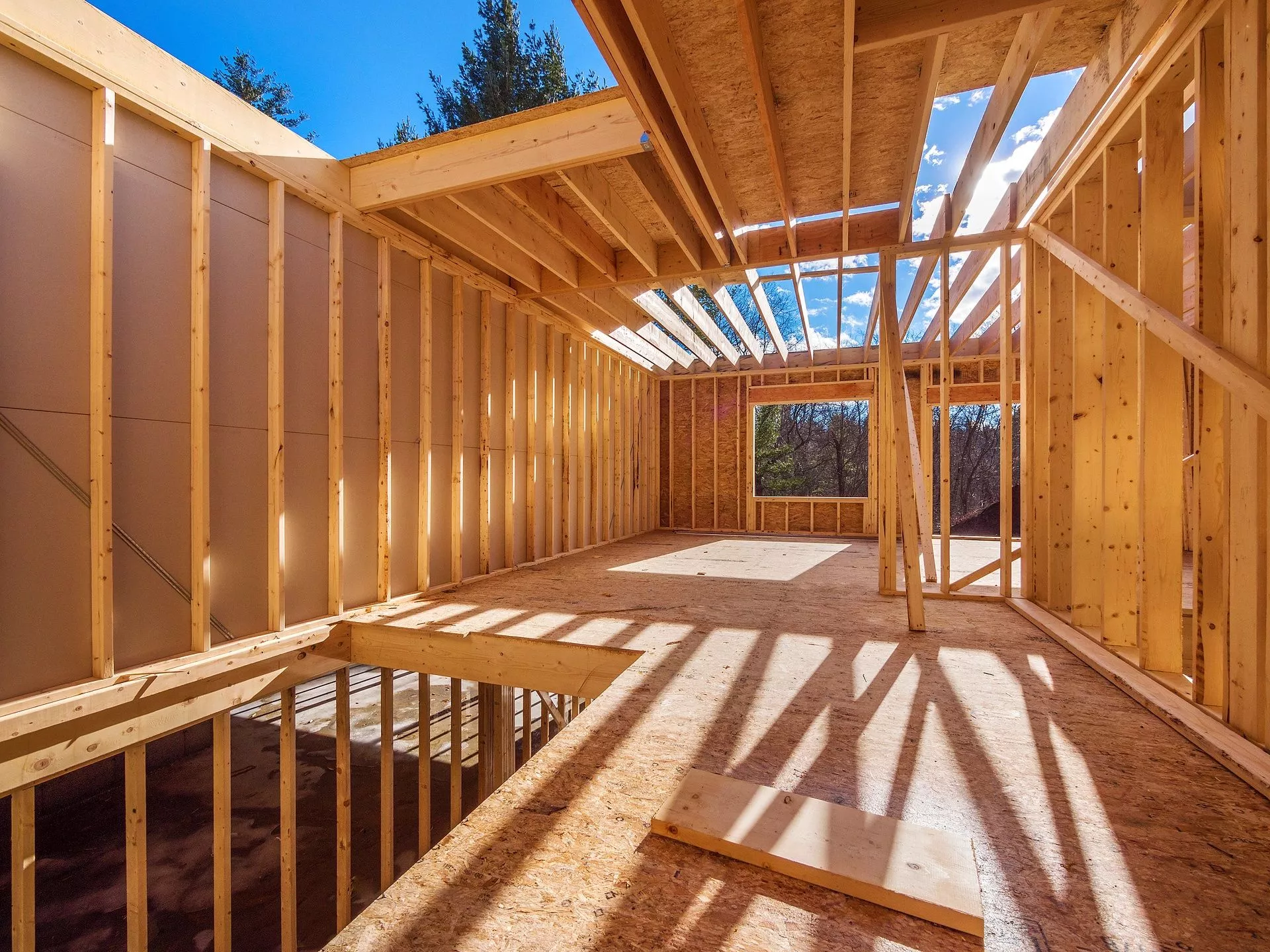
The next step is erecting vertical walls. This involves placing studs, headers, and plates to outline each room and passageway. During this stage, doorways, windows, and wall openings are framed according to your design plans.
Pro Tip: In Los Angeles, proper wall framing ensures compliance with seismic safety regulations, which are stricter than in many other regions.
Step 4: Roof Framing
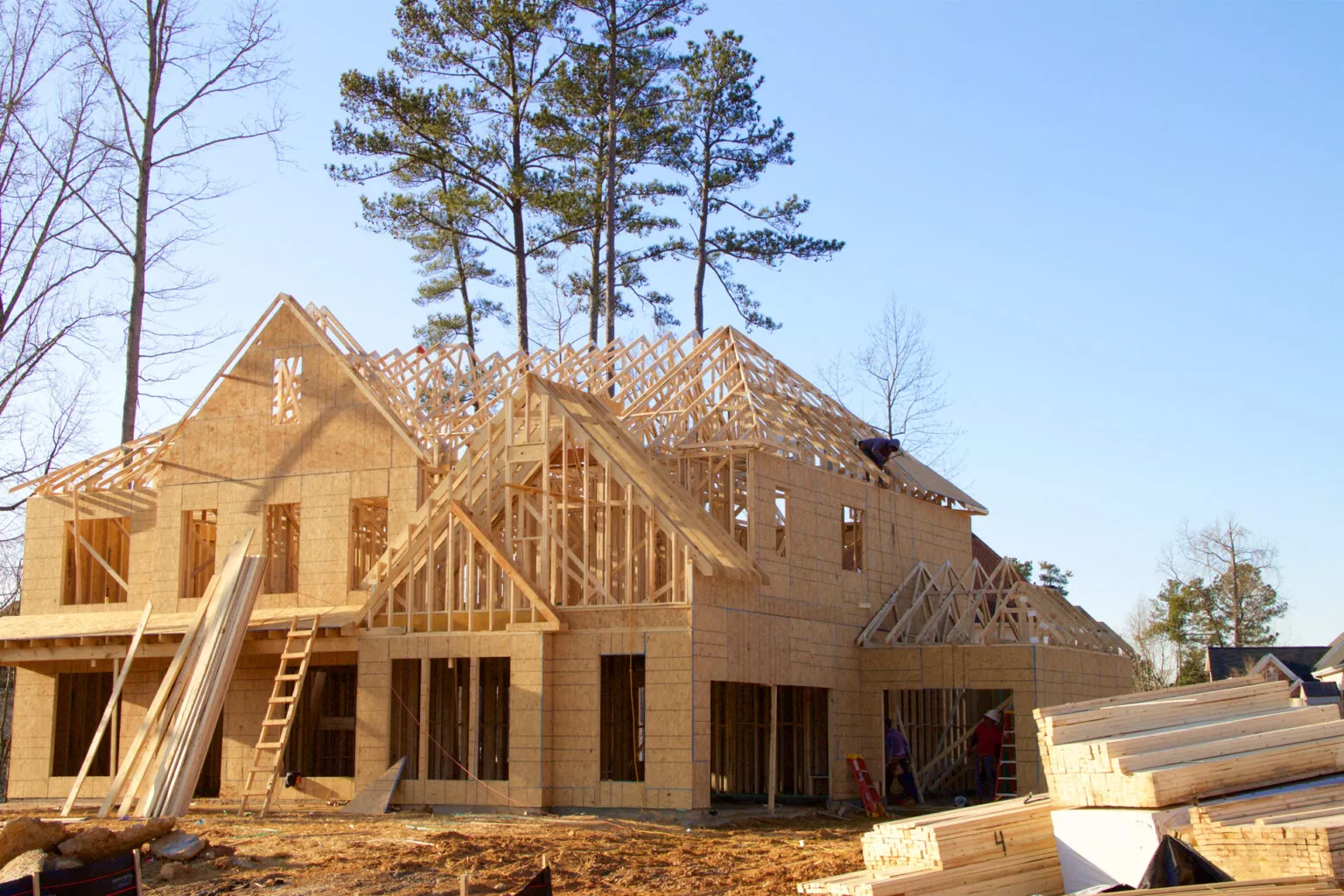
After walls are in place, the roof structure is built. Rafters or pre-assembled trusses are installed to create the shape and slope of the roof. Roof framing not only protects the home but also plays a role in energy efficiency and ventilation.
Step 5: Sheathing and Bracing
To strengthen the frame, builders add plywood or OSB sheathing to walls, floors, and roofs. This layer provides structural rigidity and a surface for exterior finishes like stucco or siding. Temporary bracing is also added to keep the frame secure until permanent materials are installed.
Step 6: Inspections and Adjustments
Before moving forward with plumbing, electrical, or insulation, the framing must pass inspection. In Los Angeles, inspectors review structural integrity and compliance with local building codes, especially earthquake resistance. Adjustments are made if needed to ensure safety and durability.
Why Professional Framing Matters in Los Angeles
Hiring skilled contractors for framing in Los Angeles ensures your home is built safely and efficiently. Professional framers understand local codes, seismic requirements, and best practices that keep your house strong for years to come.
Conclusion
From laying the foundation to passing final inspections, house framing in Los Angeles is a critical step in the home-building process. Each phase must be carefully executed to ensure a safe, durable, and beautiful home.
If you’re starting a new construction project, partnering with experienced framing professionals will give you confidence that your home’s structure is built to last.
FAQ:-
How long does house framing take in Los Angeles?
On average, framing a single-family home in Los Angeles can take 2–4 weeks, depending on the size of the house, weather conditions, and complexity of the design. Larger or custom homes may take longer.
Do I need a permit for house framing in Los Angeles?
Yes. All framing projects in Los Angeles require building permits and must comply with local building codes, including seismic safety regulations. Your contractor usually handles the permitting process.
What materials are typically used for framing a house in Los Angeles?
Most homes are framed using lumber, such as Douglas Fir, due to its strength and durability. In some cases, steel framing is used, especially in commercial or earthquake-prone projects.
Why is seismic framing important in Los Angeles?
Because Los Angeles is in an earthquake-prone region, homes must be framed with seismic safety in mind. This includes reinforced connections, proper wall bracing, and materials designed to withstand lateral forces during earthquakes.