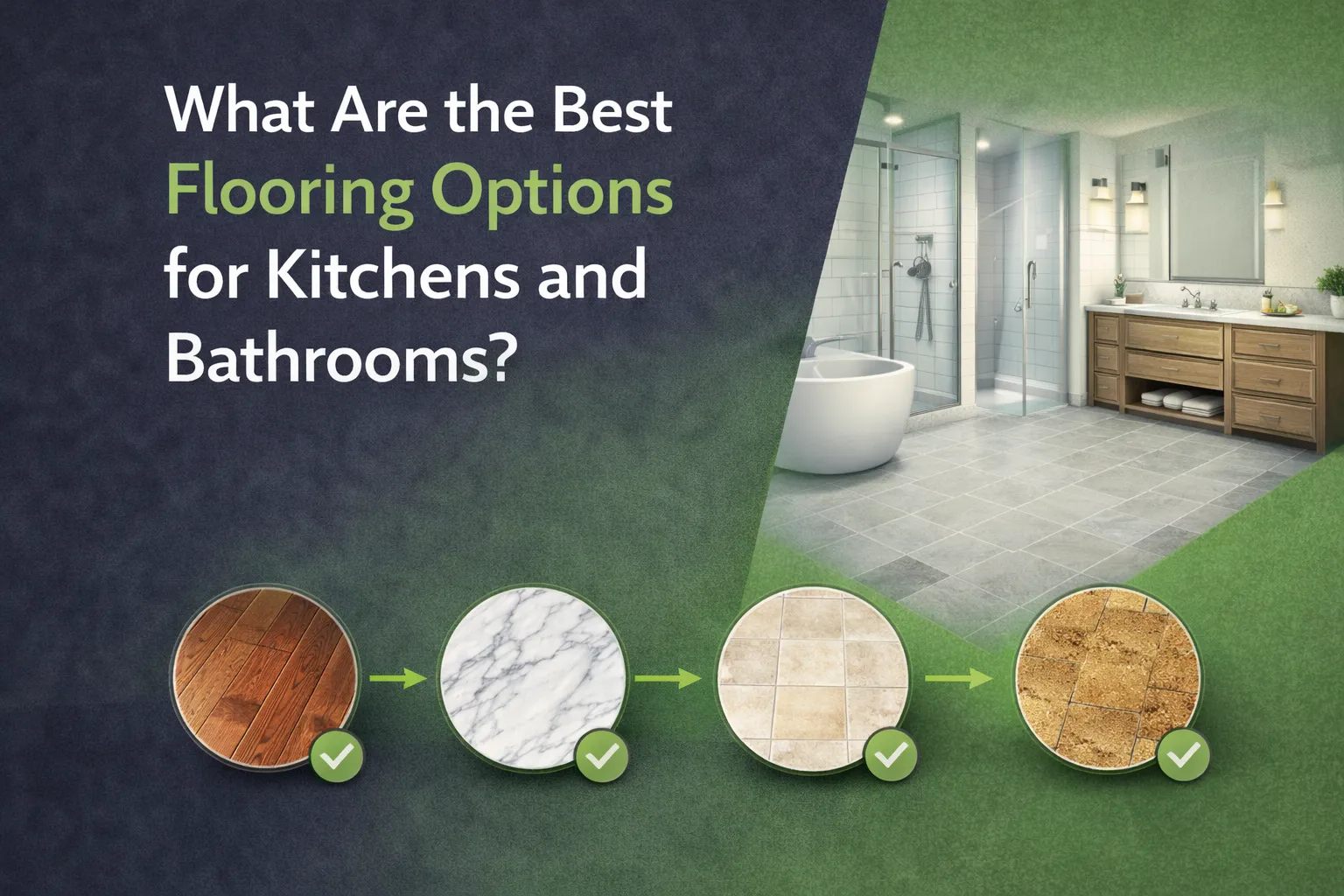
When you’re planning a remodel, the kitchen and bathroom are usually the first rooms on the list. They are the high-traffic, high-moisture “engine rooms” of the home. Choosing the right material isn’t just about matching your Pinterest board; it’s about finding a surface that can survive a spilled gallon of milk or a steamy post-shower humid environment without warping or staining.
If you are looking for flooring Los Angeles homeowners are currently obsessed with, the 2026 trends are leaning heavily toward “Organic Warmth”—moving away from the sterile “flipping grays” of the past decade and toward honey oaks, sand beiges, and rich walnuts.
Here is a breakdown of the best flooring options for your kitchen and bathroom, and how to ensure they are installed correctly.

1. Large-Format Porcelain Tile
Porcelain remains the gold standard for wet areas. In 2026, the trend has shifted toward large-format tiles (think 24”x48” or larger).
Why it works: Fewer grout lines mean less scrubbing and a more seamless, stone-slab look.
Best for: Both kitchens and bathrooms where 100% waterproof performance is non-negotiable.
2. Luxury Vinyl Plank (LVP)
Modern LVP has officially shed its “cheap” reputation. With Embossed-in-Register (EIR) technology, the texture of the plank perfectly matches the wood grain image, making it nearly indistinguishable from real hardwood.
Why it works: It is completely waterproof and much softer underfoot than tile—a lifesaver if you spend hours standing in the kitchen.
Pro Tip: This is the top choice for ADU contractors Los Angeles relies on because it provides a high-end look on a budget while standing up to the wear and tear of rental units.
3. Waterproof Laminate
Laminate has seen a massive “Waterproof Renaissance.” New tight-seal locking systems can now protect your subfloor from spills for up to 72 hours.
Why it works: It offers superior scratch resistance compared to vinyl, making it ideal for homes with large dogs or high-energy kids.
The Importance of Professional Installation
In a city with a high cost of living like Los Angeles, your home is your biggest investment. While a DIY project might seem tempting, the complexity of subfloor leveling and moisture barriers in Southern California means that hiring expert flooring contractors is almost always the smarter financial move.
In 2026, labor remains the biggest cost driver in home renovations. Professional installers ensure that your expensive materials are laid correctly the first time, preventing “buckling” or “lippage” (uneven tile edges) that can ruin the look of a luxury remodel.
Flooring for Accessory Dwelling Units (ADUs)
If you are building a backyard suite or converting a garage, flooring choice is critical. ADU contractors Los Angeles professionals often recommend a single, cohesive flooring type throughout the entire unit (excluding the bathroom shower). Using one material—like a wide-plank light oak LVP—makes a small 400-square-foot space feel significantly larger and more open.
Summary Table: Which is Right for You?
Material | Water Resistance | Durability | Best Aesthetic |
Porcelain Tile | Excellent | High | Spa-like, Stone |
Luxury Vinyl | Excellent | Medium | Warm Wood, Matte |
Laminate | Good/Great | High | Realistic Grain |
Hardwood | Poor | Medium | Timeless Luxury |
Frequently Asked Questions
1. What flooring holds up best in kitchens and bathrooms?
Porcelain tile and luxury vinyl plank are strong choices for wet areas. Porcelain tile blocks water and lasts for years. Luxury vinyl plank also resists water and feels softer underfoot. Many homeowners choose between these two based on comfort and style.
2. Is tile or luxury vinyl better for a busy kitchen?
Both work well in a busy kitchen. Tile handles water, spills, and heavy foot traffic with ease. Luxury vinyl plank feels warmer and softer when you stand for long periods. The better choice often comes down to comfort and the look you want.
3. Can waterproof laminate really handle spills?
Modern waterproof laminate can handle normal kitchen spills. The locking joints help keep water from reaching the subfloor for a limited time. Still, it is best to wipe up standing water soon. This helps protect the floor and extend its life.
4. Why does flooring installation matter so much?
Installation affects how the floor looks and how long it lasts. A level subfloor keeps planks and tiles from shifting or lifting. Proper moisture barriers protect the structure beneath the floor. Skilled installers handle these steps with care.
5. What flooring works best in a small ADU?
A single flooring type across the unit often works best. It helps the space feel open and simple. Many builders choose wide-plank luxury vinyl because it handles wear, resists water and gives the look of wood without the upkeep.