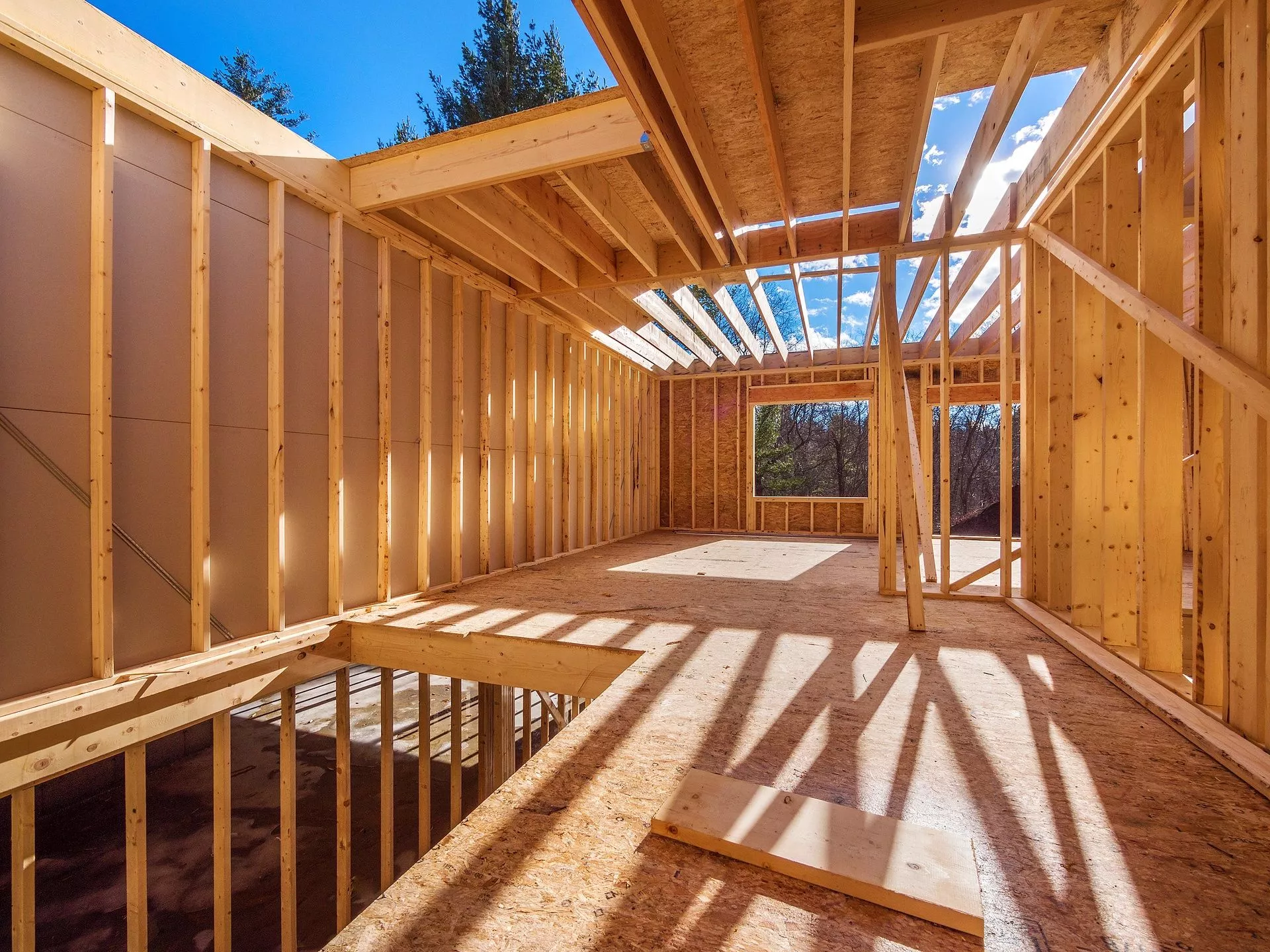
California SB 721 require owners of multifamily apartment buildings with three or more dwelling units and two or more stories that feature wood-framed exterior elevated elements; such as balconies, decks, stairways and walkways; located more than six feet above the ground requires safety inspections by a licensed professional. The law applies statewide, including Los Angeles, and exists because a few of these structures quietly rotted from the inside until someone got hurt.
That's really the whole story behind why this law exists. Back in 2015, a balcony in Berkeley collapsed under a group of students, and the investigation found wood framing that had been soaking up moisture for years without anyone noticing. Sacramento responded with SB 721, and if you own apartment buildings anywhere in Los Angeles County, the sb 721 California law now applies to you.
What Is SB 721 and Why Does It Matter in Los Angeles?
Under California sb 721, the official term for what inspectors is checking "exterior elevated elements," or EEEs. That covers balconies, decks, porches, stairways, and walkways that sit more than six feet off the ground and rely on wood or wood-based materials for structural support. If your building has three or more rental units and any of these features, you're on the hook.
Los Angeles has an enormous stock of older dingbat and courtyard-style apartment buildings built in the 1960s and '70s, many with wood-framed balconies that were never designed with a sixty-year lifespan in mind. That's exactly the housing stock this law was written for.

Who Has to Comply with SB 721 Inspections?
If you own or manage a rental apartment property with three or more units, and the building has elevated wood-framed balconies, decks, or walkways, sb 721 balcony inspections apply to your property. A few things worth clarifying:
Condos and HOAs fall under a separate but related law, SB 326, with its own deadline.
Newly constructed buildings get a grace period - roughly three years from the certificate of occupancy before the first inspection is required.
The inspection has to be performed by a licensed architect, structural or civil engineer, a certified building inspector, or a contractor holding specific license classifications with additional certification. A regular handyman can't sign off on this one.
Original compliance deadlines kept shifting as the state worked out the details, so it's worth confirming current dates with your local building department rather than relying on something you read a year ago. Re-inspections are required every six years after the first one.
What Happens During an SB 721 Balcony Inspection?
An inspector doesn't just glance at your balconies from the ground. A proper sb 721 inspection involves a statistically significant sample of your building's exterior elevated elements - meaning enough balconies to represent the overall condition of the property, not just the ones that look fine from the parking lot.
Inspectors look for wood rot, termite damage, water intrusion, rusted connectors, and any sign that the structural members supporting the balcony have been compromised. They're required to deliver a written report within 45 days, and that report gets filed into one of two categories.
Immediate Action Required means the inspector found something dangerous enough that the balcony poses a real risk right now. In that case, the report goes to local code enforcement within 15 days, and access to the balcony often has to be blocked off immediately.
Repairs Required covers everything that needs fixing but isn't an emergency. Owners typically get 120 days to pull permits and complete the work, though extensions are possible if you're coordinating with a contractor and the scope of the job is bigger than expected.

How Much Does an SB 721 Inspection Cost?
This is usually the first question owners ask, and honestly, there's no single number that applies to every building. Sb 721 inspection cost depends heavily on the size of your property and how many exterior elevated elements need sampling.
Smaller buildings with a handful of balconies might see inspection costs land in the low thousands total. Larger apartment complexes with dozens of units can run into the tens of thousands once you factor in staged access and scheduling around tenants. The inspection fee is only part of the picture, too - if the report flags repairs, that's a separate cost on top.
Most vendors charge either a flat rate based on the building size or a per-balcony fee:
Per Balcony / EEE: Standard visual or borescope inspection is approximately $250-$500 per balcony.
Small Residential Properties (up to 4 EEEs): Flat rates often range between $1,250 and $2,500, which includes the visual check and the required compliance reporting.
Mid-to-Large Apartment Complexes: Total full-property inspection packages generally average $3,000 to $10,000 (and can reach up to $20,000 for very large complexes).
Invasive/Destructive Testing: If the inspector finds signs of water damage or cannot see the load-bearing wood framing through a simple borescope camera, they may need to cut into stucco or soffits. Destructive openings and subsequent patching can add several thousand dollars to the project
Owners who put off the inspection and then discover extensive rot often end up paying far more than they would have if they'd caught the problem during routine maintenance years earlier.
SB 721 vs. SB 326: What LA Landlords Should Know
It's easy to mix these two up because they cover the same underlying problem. SB 721 applies to rental apartment buildings. SB 326 applies to condominiums and other common-interest developments managed by an HOA. The inspection requirements are similar in spirit, but the deadlines and some of the procedural details differ. If your Los Angeles property includes both rental units and condo-owned units, you may need to track both laws separately.
What Happens After the Inspection - Repairs and Compliance
Getting the inspection done is only step one. If your report flags repairs, you'll need a licensed contractor to actually fix the structural issue, and that often means replacing rotted framing members, correcting water intrusion points, or reinforcing connections that corroded over time. Skipping this step, or doing a cosmetic patch instead of real structural repair, just means you'll fail the next inspection cycle and potentially face fines or liability if something fails in the meantime.
Conclusion
If your SB 721 inspection report comes back with repair findings, the fix isn't paint and caulk - it's proper framing and foundation work done by people who understand wood-framed structures. Snow Construction has been handling foundation and framing projects across Los Angeles since 2013, and that's precisely the kind of structural repair a failed balcony or deck inspection calls for. If you've got an inspection report in hand and need a licensed, insured team to get the repair done right and ready for re-inspection, reach out to Snow Construction for an estimate.
Frequently Asked Questions
What is SB 721 in California?
SB 721 is a California law requiring inspections of exterior elevated elements - balconies, decks, and walkways - on apartment buildings with three or more units, to catch structural decay before it becomes dangerous.
Who needs an SB 721 inspection?
Owners of rental apartment buildings with three or more units that have wood-framed balconies, decks, or elevated walkways need to comply with sb 721 inspections. Condos fall under the related SB 326 law instead.
How much does an SB 721 inspection cost?
Sb 721 inspection cost varies by building size and the number of elevated elements that need sampling, ranging from a few thousand dollars for smaller properties to considerably more for large complexes.
What happens if my building fails an SB 721 inspection?
The inspector classifies findings as either "Immediate Action Required," which triggers urgent repairs and a code enforcement notice, or "Repairs Required," which typically gives owners 120 days to complete the fix.
How often do SB 721 inspections need to happen?
After the initial inspection, california sb 721 requires re-inspection every six years for the life of the building.