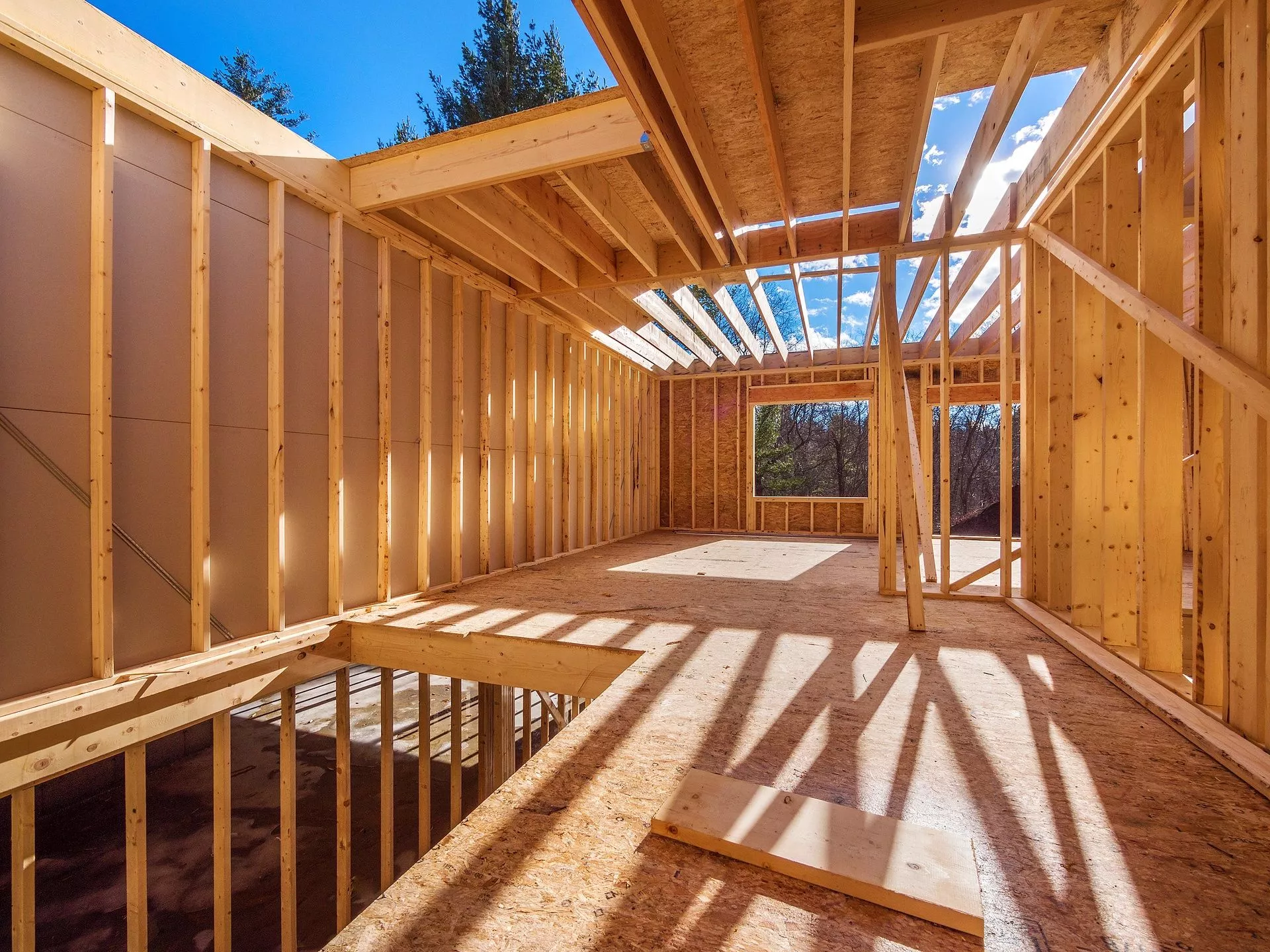
So you want to learn how to plan a construction project the right way. Good. Because too many people jump in without really understanding what they're getting into, and that almost always leads to problems down the road. The truth is, construction isn't complicated once you understand the basics. And the most basic thing you need to understand is this: everything starts with your foundation and your framing. Get those right, and the rest of the project becomes so much easier to manage.
We're going to walk through all of it together in this guide, nice and simple, so no matter where you're at in your construction journey, you'll walk away knowing exactly what to do next.
Why Foundations and Framing Are Important
Let's be real for a second. Nobody thinks about foundations and framing when they picture their dream home or their new office building. They think about the finished product, the paint colors, the floors, the windows. But here's the thing. None of that matters if what's underneath isn't built properly.
A good foundation contractor will tell you that the foundation is literally what's holding your building up. Without it, nothing stands. And a good framing contractor will tell you the same thing about the frame. It's the skeleton. It's what gives the building its shape and its strength. When these two things are done right, you've got something that will last. When they're not, you've got a problem that no amount of finishing work is going to fix. It really is that simple.

What You're Going to Learn
Everything in this guide comes straight from what Snow Construction actually does on real projects. These aren't tips pulled from a textbook. They're real world techniques that have been used over and over again to deliver results that clients are genuinely happy with. Whether you're completely new to construction or you've been around it for years, there's something here that's going to help you do things better.
Step 1: Understanding Foundations
Okay so let's start at the very beginning because that's the only place that makes sense. Before you build anything, you need to figure out what kind of foundation is going to support it. And this is not a decision you want to rush.
The type of foundation you need depends on a few things. What kind of soil are you dealing with? How heavy is the structure going to be? What does the building design look like? A qualified residential foundation contractor is going to look at all of these things before making any recommendations, and that's exactly how it should be done.
Types of Foundations:
Shallow Foundations: These are exactly what they sound like. They don't go very deep into the ground, and they work really well when the soil is stable and the building isn't carrying a massive amount of weight. If your site checks those boxes, shallow foundations are often the most practical and affordable way to go.
Deep Foundations: Sometimes the ground close to the surface just isn't strong enough. Maybe the soil is soft or loose or just not capable of supporting what you're building. That's when you go deeper. Deep foundations reach further down to find ground that can actually handle the load, and they do the job really well in the right situations.
Pile Foundations: Some sites are just genuinely difficult to work with. The soil conditions are challenging and standard foundation approaches aren't going to cut it. Pile foundations are built for exactly those situations. They go deep into the ground and push the weight of the structure down to much stronger, more stable layers. It's a really effective solution when the ground is giving you trouble.
Factors Influencing Foundation Selection:
Soil Type: This is one of the most important factors and also one that a lot of people underestimate. Clay, sand, silt, gravel, they all behave differently and they all require different approaches. A good residential foundation contractor isn't going to just eyeball your site and make a call. They're going to actually study the soil and make sure whatever foundation they recommend is a genuine match for what's there.
Building Structure: The size and weight of what you're building matters a lot when it comes to foundation selection. A small home is a very different situation from a large commercial building, and a skilled residential foundation contractor is going to factor all of that in before anything gets decided. This is not a one size fits all kind of decision.
Step 2: Planning the Framing Process
Once the foundation conversation is sorted, it's time to start thinking about framing. And honestly this is one of the most satisfying parts of any build because it's when the project really starts to look like something. Walls start going up, the shape of the building starts to emerge, and you can finally see what all that planning was working toward. But getting to that point smoothly takes real preparation.
Materials and Tools:
Quality Lumber: Here's something that experienced residential framing contractors understand deeply. The wood you choose for framing matters more than most people think. Bad lumber means a weaker frame, and a weaker frame means problems that might not show up right away but will definitely show up eventually. Choosing quality lumber from the start is one of those decisions that pays off for the entire life of the building.
Fasteners: Nails, screws, connectors. These things don't get a lot of attention but they absolutely should. They're holding the whole frame together. Every piece of the structure is connected by these fasteners, and using the right ones for each part of the job is something that good framing contractors never cut corners on.
Tools: A team with the right tools is a team that can do great work. Saws, drills, levels, measuring devices, all of these play a part in making sure the framing comes together accurately and efficiently. When the right equipment is on site, you can feel the difference in how the work progresses.
Accurate Measurements and Layouts:
If there's one thing that experienced residential framing contractors all agree on it's this. Measure carefully and measure more than once. A small mistake in the measurements at this stage has a sneaky way of becoming a much bigger mistake later on. Snow Construction uses digital tools and software to make sure every measurement is locked in and every layout is planned out precisely before any cutting or building begins. That kind of preparation matters.
Step 3: Executing Foundations and Framing
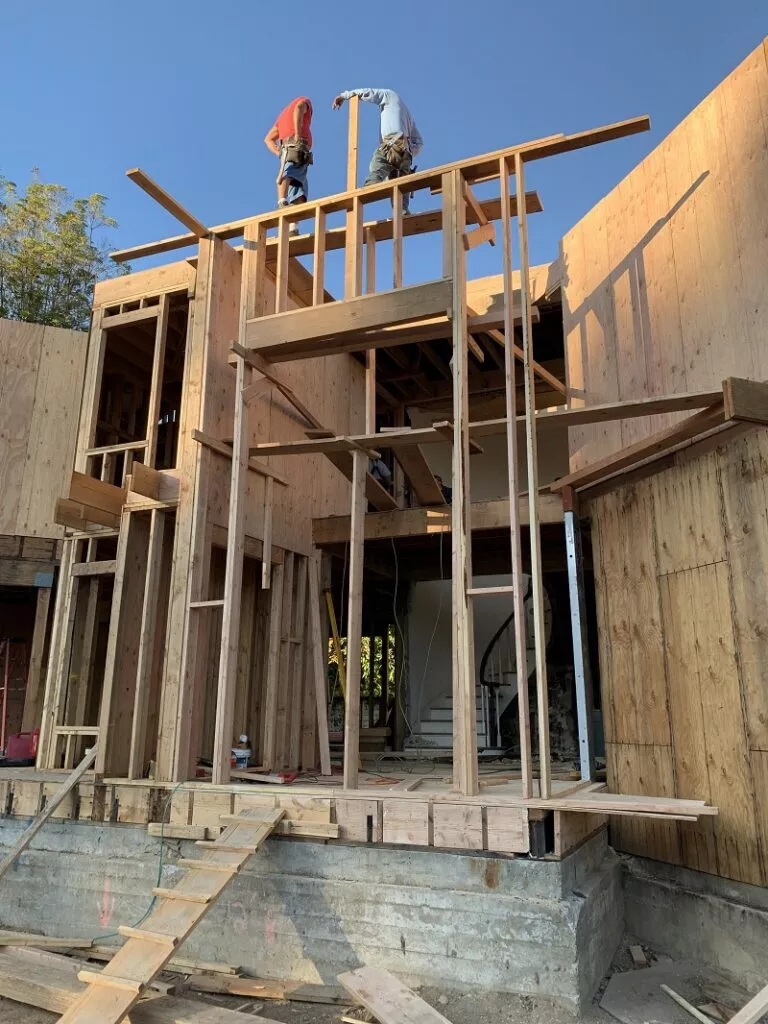
Planning is incredibly important but at some point you have to actually build the thing. And this is where the real skill and experience of your team starts to shine through.
Mobilizing Equipment and Personnel:
Snow Construction puts serious thought into making sure the right people and the right equipment show up at the right time. Everyone on the crew knows what they're responsible for, safety is taken seriously without exception, and the job site runs the way a job site is supposed to run. Any dependable foundation contractor will tell you that a well organized site isn't just more efficient. It's a lot safer for the people working on it too.
Coordination Between Teams:
Foundation work and framing work are connected in ways that make communication between those two teams absolutely critical. If they're not talking to each other and staying aligned, things start to go sideways. Snow Construction keeps both teams connected through regular communication and updates so that everyone always knows what's happening and the project keeps moving without unnecessary interruptions.
Step 4: Quality Control and Assurance
Here's something worth saying plainly. Doing the work isn't enough. You have to check the work. Every step of the way. Snow Construction understands that and it shows in how they approach quality on every single project.
Implementing Quality Checks:
At each stage of the build, inspections are done to make sure everything meets the standards it needs to meet. And if something doesn't measure up, it gets taken care of right away. Not tomorrow. Not at the end of the project. Right away. That's how both the foundation contractor and framing contractor teams at Snow Construction operate, and it's what keeps the quality where it needs to be.
Compliance with Building Codes:
Building codes exist to protect people and Snow Construction treats them that way. Every project is built to fully comply with all Los Angeles building codes and regulations. As a residential foundation contractor and residential framing contractor with a real presence in the local community, Snow Construction holds itself to a high standard on every job, no exceptions.
Step 5: Project Management and Timeline
You can have the best construction crew in the world but if the project isn't being managed properly, things will still go wrong. Timelines fall apart, communication breaks down, and costs start climbing in ways nobody planned for. Snow Construction takes project management just as seriously as the actual building work.
Detailed Project Plan:
Before anything gets built, Snow Construction sits down and maps everything out. Clear milestones, honest timelines, smart resource allocation. Clients are kept in the loop throughout the entire process so there are never any surprises about where things stand. That kind of transparency and organization makes the whole experience better for everyone involved.
Dealing with Delays:
Look, construction projects don't always go perfectly and anyone who tells you otherwise isn't being straight with you. Weather happens. Materials get delayed. Unexpected things show up on site. What separates a good team from a great one is how they handle those moments. Snow Construction plans ahead for the unexpected, responds quickly when things come up, and finds solutions that keep the impact on the overall timeline as small as possible. That's what good framing contractors and foundation contractors do.
Experience Success with Snow Construction
If you're ready to actually move forward on your project, Snow Construction is ready to be your partner in making it happen. With deep hands on experience in both residential foundation contractor and residential framing contractor work, the team brings the kind of knowledge and coordination that genuinely makes a difference in how a project turns out. Homes, offices, commercial spaces, whatever you're building, Snow Construction will be with you every step of the way. So let's stop planning and start building. Let's build something worth being proud of together with Snow Construction.
For more information on Snow Construction's services in Los Angeles, visit: 6647 Orion Ave. Lake Balboa, CA 91406 or contact us at 310-926-9993 or billysnoww@gmail.com. Let's build success together!
Frequently Asked Questions (FAQs)
What does a foundation contractor do, and why do I need one?
A foundation contractor looks at your soil, figures out the right foundation for your specific situation, and makes sure your building starts on ground that's solid, safe, and built to last long term.
How do I choose the right residential foundation contractor for my project?
Look for someone with real local experience, proper licensing, and a good understanding of your area's soil and codes. Talking to past clients and reading honest reviews goes a really long way.
What is the role of a framing contractor in a residential construction project?
A framing contractor builds the structural skeleton of your home, walls, floors, and roof systems, making sure every single piece is in the right place, properly secured, and meets code requirements.
How long does residential framing typically take to complete?
Honestly it depends on how big and complex your project is. A good residential framing contractor will go through your plans with you and give you a real honest timeline based on what's actually involved.
Can the same company handle both foundation and framing work?
Yes and it actually makes a lot of sense to go that route. When one team like Snow Construction handles both, everything flows better, the handoffs are cleaner, and the quality stays consistent all the way through.