Quick Answer: Framing a house in Los Angeles typically takes 2 to 4 weeks for an average single-family home, although smaller homes may be completed in 1 to 2 weeks, while larger or more complex projects can take up to 6 weeks. The exact timeline depends on factors such as the home design, permit approvals, material availability, crew experience, and site conditions. Hiring an experienced residential framing contractor helps keep the project on schedule, ensures compliance with local building codes, and delivers a strong, structurally sound frame.
Once the foundation's poured, framing is usually next. This is the part where a home starts looking like a home wall, rooflines, the whole shape of it. People ask us all the time, how long does it take to frame a house? Truth is, there's no single answer. It depends on the size of the home, the crew, the site, and a few other things, especially with wood-frame construction here in Southern California. This guide covers the framing timeline, why wood framing dominates in LA, and a few things worth knowing before you hire a residential framing contractor.
What Is House Wood Framing?
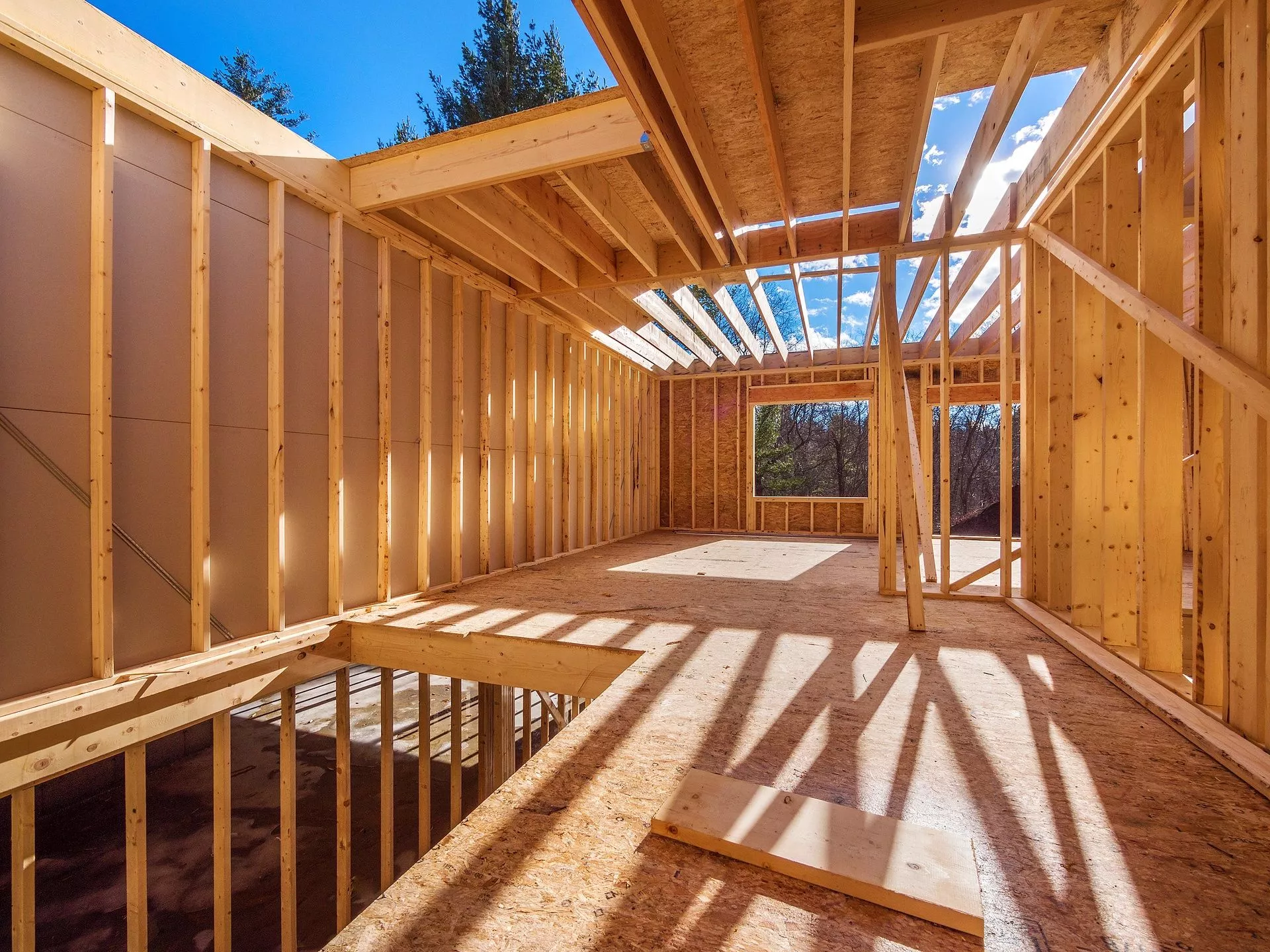
Wood framing is what most LA homes are built on. Think of it as the skeleton floor joists, wall studs, ceiling beams, roof trusses the bones everything else gets attached to. Once that skeleton is up, everything else insulation, drywall, electrical, plumbing gets built around it, which is why getting the frame right matters so much for the rest of the project.
Builders lean on it for a few reasons. It's cheaper than the alternatives, easy to work with, and it holds up. LA's dry climate helps too, since wood doesn't have to contend with the moisture and rot issues builders deal with in wetter parts of the country. And in earthquakes, most of LA County wood has a real edge. It flexes. Concrete and steel don't, not the same way, which means a wood-framed structure can absorb and dissipate seismic movement rather than cracking under it. That flexibility is a big part of why wood framing has remained the default choice for residential construction across Southern California, even as building materials and techniques have evolved elsewhere.
How Long Does It Take to Frame a House in Los Angeles?
For a typical single-family home in Los Angeles, framing runs about 5 to 12 business days, give or take, assuming a home somewhere in the 1,800 to 2,500 square foot range under normal working conditions.
Here's a rough breakdown by size:
Smaller homes, generally anything under 1,500 square feet, tend to frame up in about 1 to 2 weeks. These are usually simpler builds fewer walls, less square footage to cover, and often a more straightforward roofline so a decent crew can move through the floor, walls, and roof without much back-and-forth.
Medium-sized homes, in the 1,800 to 2,500 square foot range, are where most single-family projects in LA fall, and framing here typically takes 2 to 4 weeks. This size usually comes with a bit more complexity a second story, maybe a few more rooms or a slightly more involved roofline which adds time even with an experienced crew on the job.
Larger homes, over 3,000 square feet, can take anywhere from 3 to 6 weeks, sometimes longer. At this scale, you're often dealing with multiple stories, more elaborate architectural details, and a bigger footprint overall, all of which stretch out the floor, wall, and roof framing stages individually.

What Can Affect the Framing Timeline?
A few things can push that timeline in either direction — even with LA's mostly dry, cooperative weather.
Home Design
A simple, boxy floor plan frames up fast. Add in custom layouts, vaulted ceilings, or extra rooms, and you're adding more corners, angles, and rooflines — which all take extra time. Multi-story homes and open-concept designs with large unsupported spans also require additional structural planning, since the frame has to carry loads differently than it would in a simpler, single-story layout.
Permit and Inspection Delays
Framing in LA comes with required inspections at various stages, and sometimes work has to pause until an inspector shows up and signs off. That waiting can tack on a few extra days here and there. During busy building seasons, inspection backlogs at the local building department can stretch that wait even longer, so it's worth building some cushion into your schedule for this alone.
Material Delivery
Lumber and other supplies need to arrive on schedule. Any hiccup in shipping or supply chains, and the framing schedule slips right along with it. Prices and availability for framing lumber have fluctuated noticeably in recent years, and a contractor who orders early and keeps a buffer of materials on hand is far less likely to lose days waiting on a delivery truck.
Framing Crew Size and Experience
A seasoned residential framing contractor in Los Angeles will have a crew that moves efficiently without cutting corners. A smaller team, or one that's less experienced, will typically need more time to get through the same amount of work. Crew size also affects how many stages can happen in parallel a larger, well-coordinated team might have one group on the walls while another preps the roof trusses, which a smaller crew simply can't do.
Site Conditions
Tight lots or hillside properties can slow things down too. A lot of homes in Los Angeles sit on sloped ground, which calls for extra planning and bracing before framing can move ahead. Limited access for delivery trucks and equipment, narrow street frontage, and even neighborhood parking restrictions can all add friction to a job that would otherwise move quickly on a flat, easily accessible lot.
What Does a Residential Framing Contractor Do?
A residential framing contractor runs the whole show during this phase. Blueprints, lumber orders, the crew raising the structure it all falls under them.
The good ones know the building codes cold. Earthquake requirements, inspection process, all of it. They're also the ones coordinating with electricians, plumbers, and whoever else needs to be on site so nothing gets held up.
Who you pick for this matters more than people expect. Experience is what keeps mistakes off the jobsite, keeps delays down, and gets you a frame that's actually safe and built to last.
Wood Framing Timeline Breakdown
Preparation: Lumber and materials show up, get stacked on site, and the crew runs through the plans one more time before anything goes up. This stage also usually includes a final walkthrough of the foundation to confirm everything is square and level, since any issues here will carry through the entire frame if they're not caught early.
Floor Framing: Joists first, then the subfloor. This is what gives you a level base to actually build on. Getting this stage right is important, because any unevenness in the floor system tends to show up later as sticking doors, sloped floors, or cracked tile — problems that are far more expensive to fix once the house is finished.
Wall Framing: This part moves fast. Openings for windows and doors get cut in as the walls go up. Interior and exterior walls typically go up in sections, with load-bearing walls given extra attention since they're what the floors above and the roof will ultimately rest on.
Roof Framing: Trusses or rafters, lifted into place and locked down. This stage often requires a crane or lift for larger trusses, and it's one of the more weather-sensitive parts of the process, since an open roof leaves the rest of the frame exposed until sheathing goes on.
Sheathing and Wrap: Plywood or OSB gets nailed on, then a weather-resistant wrap goes around the whole thing to keep moisture out until the exterior work starts. This is effectively the point where the frame is considered complete and protected, which is why many homeowners think of it as the finish line for this phase of the build.
At the end of the day, how long it takes to frame a house in Los Angeles comes down to careful planning, the weather, and who's swinging the hammer.
Tips for Homeowners in Los Angeles
A few things worth keeping in mind before you get started.
First, always confirm your contractor is properly licensed and insured for work in Los Angeles. This isn't just paperwork if something goes wrong on site, an uninsured crew can leave you covering the cost yourself, and an unlicensed contractor may not be up to date on the codes your city actually enforces.
It also helps to ask directly how many framing projects they've completed in the LA area specifically, not just in general contracting. Local experience matters here because LA has its own mix of building codes, seismic requirements, and permitting quirks that a contractor from outside the region might not be familiar with.
Beyond licensing, make sure whoever you hire is genuinely familiar with Los Angeles County building codes, since these can differ from neighboring counties and change from time to time. A contractor who's up to speed on current requirements will avoid the kind of rework that comes from failed inspections.
On the materials side, order your lumber and supplies early rather than waiting until framing is about to start. Shipping delays and supply shortages are one of the most common reasons a framing schedule slips, and ordering ahead gives you a buffer if something doesn't arrive on time.
Finally, try to avoid making design changes once framing is underway. Even small adjustments moving a window, adding a wall can force a crew to redo work that's already been completed, which adds both time and cost to a phase that's otherwise fairly predictable.
Comparing a few contractors before you commit isn't a bad idea. Look at how long they've been doing this, whether they actually return your calls, and whether their past jobs got finished when they said they would.
Final Thoughts
So how long does it take to frame a house in Los Angeles? Most homes land somewhere around one to two weeks, but that number moves depending on square footage, who's on the crew, and what the jobsite throws at them.
Framing is one of the steps you really don't want to rush it's what everything else in the house gets built on. The right residential framing contractor makes sure it's done properly and doesn't drag on longer than it should.
Got a build coming up in Los Angeles? Line up your framing plan with your overall timeline early, and don't skimp on the crew you hire. You want people who know wood framing, earthquake codes, and the local inspection process not just whoever's cheapest. Working with experienced framing contractors in Los Angeles keeps the project on track and the craftsmanship where it needs to be.
FAQ's
How long does it take to frame a house in Los Angeles?
In Los Angeles, wood house framing usually takes 2 to 4 weeks, depending on the home's size, the lot's conditions, and how experienced the contractor is.
What affects the time needed for framing a house?
A number of things play into it. Home size is the big one, but design complexity, crew size, material delays, inspection scheduling, and whether the lot is flat or hillside all move the number too.
Why is wood framing used for houses in Los Angeles?
It's cheaper, it's easier to work with, and it takes an earthquake better than concrete or steel does, which matters a lot around here.
Do you need a permit to frame a house in Los Angeles?
Yes. You can't legally frame a home in LA without pulling the proper permits first, and the framing itself gets inspected at multiple points along the way. Skipping this isn't really an option — inspectors will catch it, and it can hold up the rest of your build.
Can framing be delayed by weather in Los Angeles?
It happens, but rarely. LA's climate is dry most of the year, so weather isn't usually the culprit behind a slow framing job. When it does rain, though, wet lumber and muddy sites can push things back a day or two until conditions dry out enough to keep working safely.