You know what's funny? Ask someone what makes a house feel like home, and they'll tell you about the paint color, the flooring, that kitchen island they've been dreaming about since forever. Almost nobody mentions the framing. And I get why. It's tucked behind drywall long before you ever walk through the front door.
But here's the thing nobody tells you until you're knee deep in a build. The framing is the reason everything else actually works. It's the skeleton your whole home hangs on. Nail it, and your house feels rock solid for decades. Miss it, and you'll be chasing little problems for years, long after the paint has dried and everyone's forgotten what's under the walls.
So let's dig into what framing really is, why it deserves way more credit than it gets, and why picking the right framing contractor might honestly be the biggest decision you make during your whole build.
So, What Is House Framing Anyway?
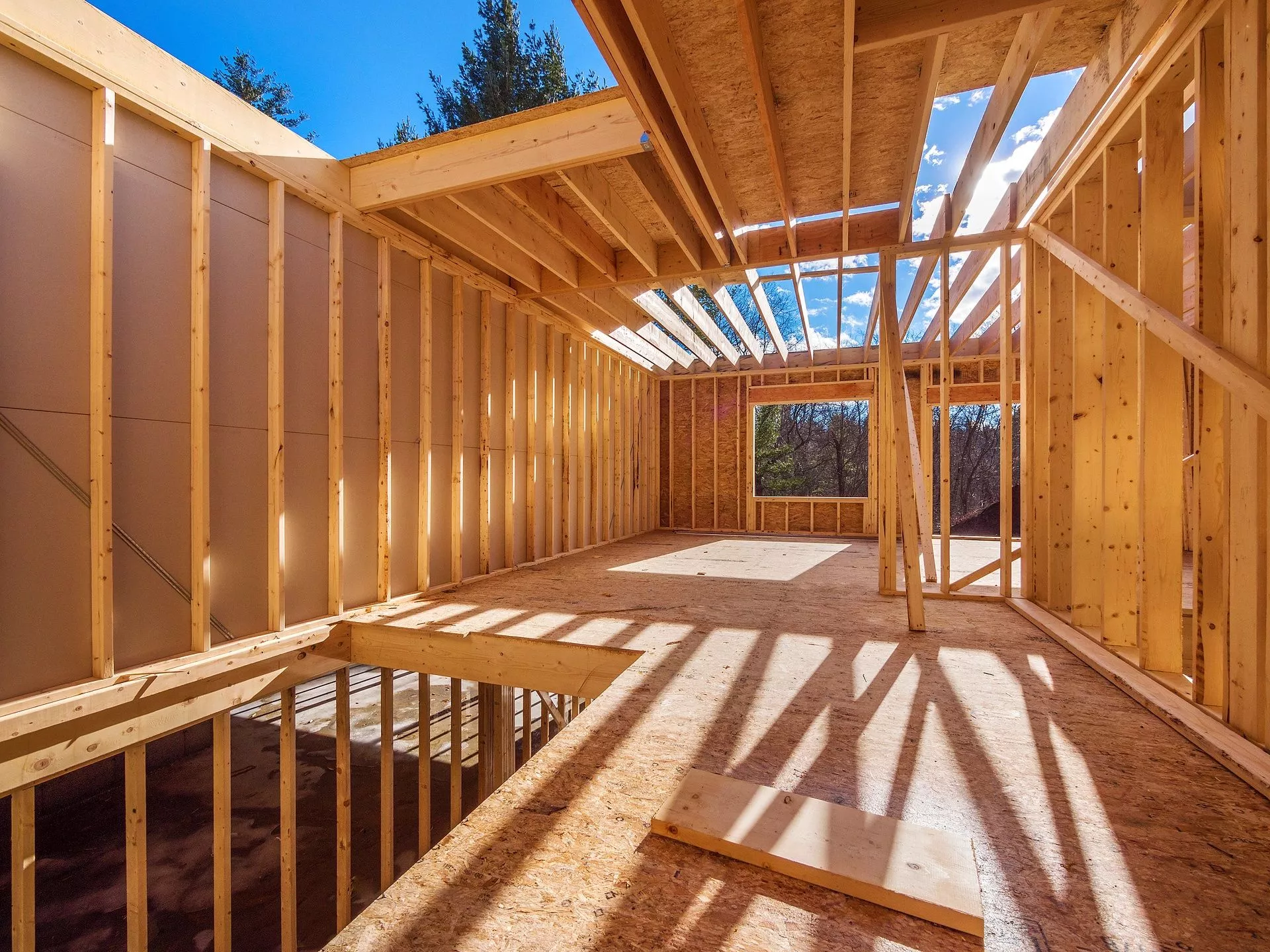
In plain terms, house framing is the process of building your home's structural skeleton. Beams, joists, studs, trusses, all of it coming together to shape your walls, floors, and roof.
Sounds technical, but it's really not that complicated. Framing is what turns an empty lot and a stack of blueprints into a place you can actually walk into and call yours. It shapes your layout, holds everything up, and quietly influences how comfortable and energy efficient your home ends up being.
Why Getting It Right Actually Matters
Quality framing isn't some optional upgrade. It shapes how your home performs today and how well it holds up ten, twenty, thirty years down the road. Here's why it deserves your attention.
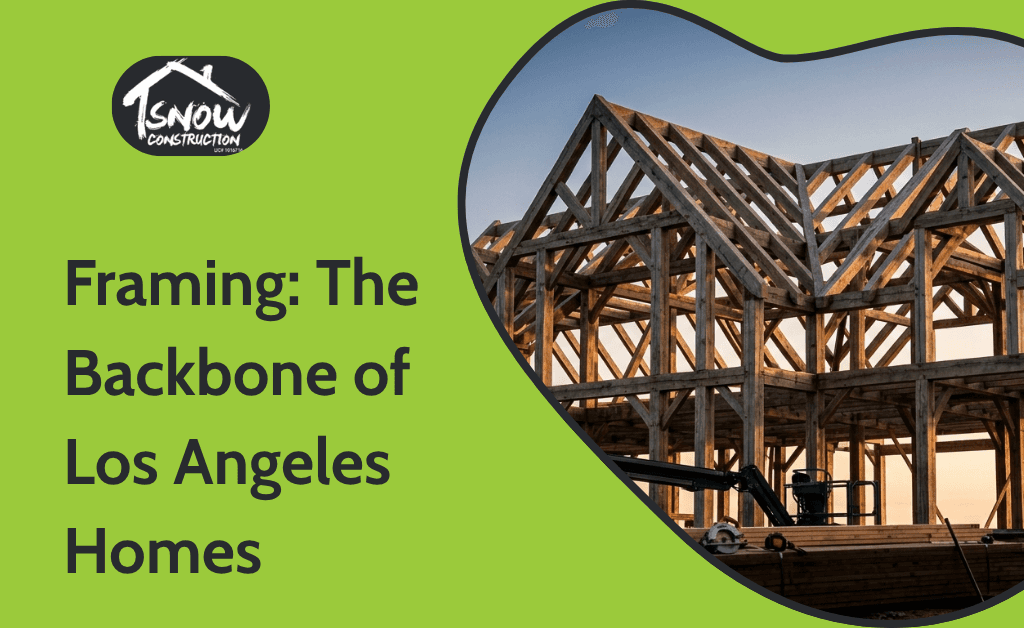
It keeps you safe. A well built frame gives your home real backbone. It's what helps your house stand strong through wind, heavy rain, and in places like earthquake prone Southern California, seismic activity too. If you're working on framing Los Angeles homes, this part isn't optional. The ground here moves, and your home needs to be ready.
It leans on a solid foundation. Framing doesn't happen out of nowhere. It comes right after a foundation contractor finishes making sure the ground beneath your home is level, stable, and strong enough to carry real weight. Even the most talented framing crew can't fix a shaky foundation underneath them. These two stages work as a team, and when both are done right, your home has something genuinely solid to stand on.
It sets up every trade that follows. Once the frame goes up, everyone else moves in behind it. Drywall, insulation, plumbing, electrical, all of it depends on the framing being accurate. A tiny mistake here can turn into crooked windows or uneven walls later, and fixing that after the fact is nobody's idea of a good time.
It makes everyday living more comfortable. Homes framed properly seal tighter and insulate better. That means fewer annoying drafts, lower energy bills, and a home that just feels right no matter the season outside.
It protects what you've invested. Homes with solid framing simply last longer. They hold their value, need fewer structural repairs over time, and give you a kind of peace of mind that's honestly hard to put a price tag on.

Why the Right Framing Contractor Changes Everything
Here's something worth sitting with. Even the best materials in the world can't save a project if the wrong hands are putting them together. That's exactly why choosing an experienced framing contractor matters so much.
A good contractor brings way more than manpower to the table. They bring real know how in wood and steel framing methods, a solid grasp of local building codes, and the kind of eye for detail that stops small mistakes before they turn into big ones. When you're sizing up a contractor, look for someone with:
Genuine hands on experience across different framing techniques
A strong understanding of local codes, including seismic requirements where they apply
Access to modern tools that get measurements right the first time
A real commitment to safety and craftsmanship, not just speed
If you're building in Southern California, working with a framing Los Angeles specialist means you've got someone who already understands the region's quirks. Unpredictable soil, strict earthquake codes, all of it.
It also pays to think about your whole build team, not just one piece of the puzzle. A dependable residential framing contractor doesn't work off in their own corner. They coordinate closely with your foundation contractor, your architect, and everyone else on site, so the whole project comes together smoothly, both structurally and visually.
Framing in Los Angeles: Where Strength Meets Style
Building in LA comes with its own personality. You've got sleek modern minimalism sitting a few blocks from classic Spanish style homes, and the framing has to flex to support all of it without ever cutting corners on safety.
This is exactly where local experience pays off. A framing contractor who's worked across LA's varied landscape, hillside lots, tight urban infill, sprawling suburban builds, knows how to balance strength with style. Whether you're dealing with a tricky hillside grade or planning an ambitious custom home, the right team makes sure your house looks as good as it stands strong.
The Bottom Line
Your home's frame is so much more than wood and nails. It's the quiet structure holding up everything you see and everything you don't. Investing in quality framing really is investing in your home's safety, comfort, and long term value.
Start with a trustworthy foundation contractor to get the groundwork right. Then bring in an experienced residential framing contractor who understands both the technical side and the local landscape. Do that, and you're giving your home the best possible shot at standing strong for a long, long time.
If you're planning a new build or a major remodel, don't treat framing like an afterthought. It's the part of the process that decides whether everything you're excited about has something solid to actually rest on.
Frequently Asked Questions
What does a framing contractor actually do?
A framing contractor builds the structural skeleton of your home, the beams, studs, joists, and trusses that shape your walls, floors, and roof. They ensure everything meets code, stays structurally sound, and gives every trade that follows a solid, accurate base to build on.
How is a foundation contractor different from a framing contractor?
A foundation contractor prepares and pours the base your home sits on, making sure the ground is level and stable. A framing contractor builds upward from there, creating the skeleton. Both roles work closely together, since framing depends entirely on a properly built foundation.
Why does framing matter so much in earthquake prone areas?
In places like Los Angeles, homes need frames built to flex and absorb seismic movement without losing structural integrity. A skilled framing contractor understands local seismic codes and uses techniques designed to keep your home safe during ground shifting or an actual earthquake event.
How do I choose the right residential framing contractor?
Look for hands on experience, familiarity with local building codes, modern measuring tools, and a track record of quality work. Ask for references, check reviews, and make sure they coordinate well with your foundation contractor and other trades throughout the entire build.
Does quality framing really affect energy efficiency?
Yes, quite a bit actually. Properly framed homes seal tighter, which reduces air leaks and helps insulation perform the way it's supposed to. That translates into fewer drafts, lower energy bills, and a home that stays comfortable regardless of the season outside.